What Is a Towable Camper? Every Type Explained (And How to Tell Them Apart)
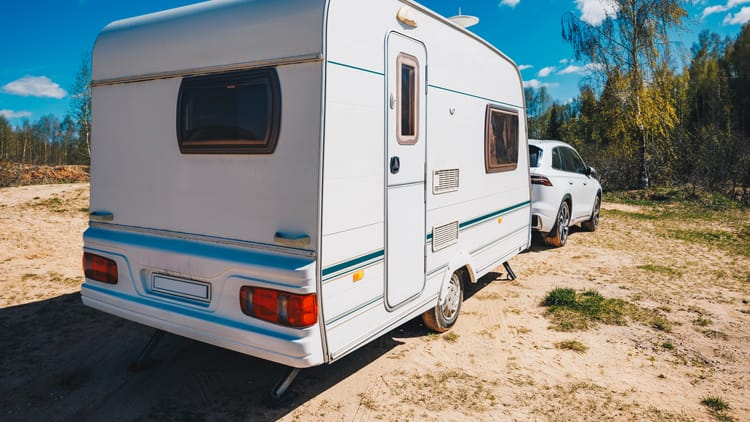
The towable camper category is bigger and more varied than most people realize when they start shopping. Travel trailer, fifth wheel, toy hauler, teardrop, hybrid, truck camper — these all get called "towable campers," but they are built differently, tow differently, live in differently, and suit different kinds of travelers. Buying the wrong one is an expensive lesson. This guide maps the entire category clearly so you can make a confident decision before you ever walk onto a dealer lot.
If you are still early in the process and have not yet decided whether buying makes more sense than renting first, our RV rental vs. buying breakdown is worth working through before you go deeper on type.
What Makes Something a Towable Camper
A towable camper is any non-motorized RV unit that requires a separate tow vehicle to move. It has no engine of its own. That single structural fact shapes every other aspect of the ownership experience: how you buy, how you set up, how you live in it, and what your day looks like once you are parked.
The separation of home from vehicle is the towable category's defining trade-off. On one side: once your camper is parked and level, your truck or SUV is free for day trips, errands, and trailheads your full rig could never reach. On the other: every departure requires a hitch-up sequence, a systems check, and the backing skills that most people underestimate until they are doing it in front of an audience.
Towable campers range from sub-1,000-pound teardrops that a Subaru Outback can pull to 47-foot fifth wheel toy haulers that require a one-ton dually diesel and a dedicated hitch in the truck bed. Understanding where your situation falls in that range is the first and most important step. If you are genuinely unsure which category of RV makes sense for your life, our guide to choosing which type of RV to buy walks through the full decision — motorhomes included.
Travel Trailers: The Broadest Category in the Towable World
A travel trailer is a towable camper that connects to a standard ball hitch mounted on the tow vehicle's receiver. No specialized hardware goes in the truck bed — just a receiver hitch, a ball, and a coupler on the trailer's tongue. That accessibility is part of why travel trailers represent the largest and most accessible segment of the towable camper market.
Travel trailers run from roughly 10 feet to over 40 feet in length, with dry weights starting around 1,200 pounds for the lightest compact models and climbing past 10,000 pounds for large luxury builds. Entry-level travel trailers start around $12,000 to $16,000, mid-range models run $25,000 to $55,000, and fully loaded configurations can exceed $100,000.
Single-axle vs. tandem-axle is a spec you will see on every travel trailer listing and it is worth understanding before you shop. A single-axle trailer has one set of wheels — lighter, easier to maneuver, less expensive, and common on trailers under roughly 22 feet. A tandem-axle trailer has two axles, providing more stability at highway speeds, better load distribution, and a meaningful safety margin if a tire fails. Most travel trailers over 22 feet are tandem-axle, and for good reason. Heavy fifth wheels and large toy haulers often run triple-axle configurations for the same reasons at greater weight. If you are comparing shorter trailers, axle count is worth factoring into your decision.
Once you arrive at a site, the setup process matters as much as the drive there — our RV setup checklist covers the full arrival sequence for any towable.
Standard Travel Trailers
The default configuration — a hard-sided trailer with a fixed floor plan, typically 18 to 35 feet long, sleeping 2 to 8 people depending on layout. Standard travel trailers include a kitchen, bathroom, living area, and dedicated sleeping space. They tow with a properly equipped half-ton or three-quarter-ton truck depending on loaded weight, and they are equally at home at a full-hookup campground or a dispersed BLM site with a good solar setup and water management plan. If you plan to run your systems off solar while parked, our guide to building the right RV solar setup covers everything from panel selection to battery sizing on any budget.
Lightweight and Compact Travel Trailers
A subset specifically engineered for lower dry weights — generally under 5,000 pounds, with the lightest models under 3,500 pounds. The half-ton towable label you will see on many of these means the trailer is designed to fall within the towing capacity of a properly equipped half-ton pickup. However, half-ton towing capacity varies enormously — from around 5,000 pounds on a base-configured truck to over 13,000 pounds with a max tow package. Always verify your specific truck's rated capacity and payload against the trailer's GVWR before assuming any "half-ton towable" label applies to your setup. Our comparison of compact travel trailers vs. van life for digital nomads is also worth reading if you are deciding between a lighter trailer and a van conversion as a mobile living setup.
Toy Haulers
A travel trailer with a rear garage section — typically 8 to 14 feet of enclosed cargo space with a reinforced floor and a heavy ramp door that opens from the back. The garage is designed to carry motorcycles, dirt bikes, ATVs, UTVs, golf carts, e-bikes, kayaks, or snowmobiles. When parked, the ramp converts to an outdoor patio on most current models — typically with fold-out aluminum railing, stairs, and on many configurations a dedicated outdoor kitchen. Newer designs from manufacturers including Keystone and Jayco have expanded this further with side patio doors that open a separate outdoor living space off the garage wall, extending the footprint considerably when parked.
When not hauling gear, the garage converts to sleeping space with fold-down bunks or drop-down beds, a second bathroom in many configurations, and built-in fuel stations for powering off-road vehicles at camp. Toy hauler travel trailers are heavier than comparably sized standard trailers due to the reinforced structure and ramp door, and most require at least a three-quarter-ton tow vehicle. They are also available in fifth wheel configurations — covered in the next section.
Teardrop Trailers
The lightest class of hard-sided towable camper. A teardrop trailer gets its name from its rounded profile when viewed from the side. Most weigh between 1,000 and 3,500 pounds dry and measure 8 to 16 feet in length. Interior space is focused on sleeping for 1 to 2 people; many models feature a rear hatch-access galley kitchen rather than an indoor cooking setup. Bathroom facilities range from none to a compact wet bath in larger teardrop models.
The appeal is access: a teardrop can be towed by vehicles that cannot handle a full-size trailer — compact SUVs, some larger crossovers, and in a few cases larger sedans — and it fits into campsites and on roads that larger rigs cannot reach. A tire pressure monitoring system is worth running on any trailer, including teardrops. Light tongue weight makes smaller trailers more susceptible to sway when tire pressure is off.
Hybrid and Expandable Trailers
A hybrid trailer (also called an expandable trailer) has a hard-sided rigid main body with canvas or fabric tent ends that fold out when parked to add sleeping space. The trailer tows in a compact, low-profile configuration and then opens up at the site, commonly sleeping 6 to 8 people in a unit that might be 18 to 22 feet long while rolling. The Forest River Rockwood Roo and Forest River Flagstaff Shamrock are the most widely available examples — both are in active production and sold at dealers nationwide, with dry weights starting around 4,200 pounds and sleeping capacity up to 10 in the larger configurations.
Hybrid trailers are lighter than standard travel trailers with comparable sleeping capacity, which is their main appeal. The trade-off is weather performance. The fabric tent ends do not insulate like hard walls, limiting comfortable use in cold conditions or shoulder-season camping. They also require drying before storage if they get wet inside — fabric that packs away damp develops mold fast.
Hybrid trailers are distinct from pop-up campers, though the terms are sometimes used interchangeably in casual conversation. A traditional pop-up camper (also called a folding trailer or tent trailer) folds nearly flat for towing — the entire roof raises at the site and canvas walls define the expanded interior. Pop-ups are lighter than hybrids and store in a lower profile, but they offer less insulation, less structural rigidity, and a more involved setup process. Hybrids have a permanent hard-sided section with full kitchen and bathroom; pop-ups typically have more basic amenities. The simplest visual distinction: a hybrid looks like a short travel trailer on the road. A pop-up looks like a flat box.
NEVER BOUGHT AN RV BEFORE?
GET OUR FREE 75-PAGE GUIDE TO BUYING YOUR FIRST RV
Fifth Wheel Trailers: More Space, a Different Hitch
A fifth wheel trailer does not connect to a ball hitch behind the bumper. It uses a kingpin — a heavy vertical pin mounted at the front of the trailer — that locks into a fifth wheel hitch installed in the bed of a pickup truck. That in-bed hitch placement, over or just forward of the rear axle, is what gives fifth wheels their characteristic stability advantage over ball-hitch travel trailers of comparable size and weight.
Fifth wheels require a pickup truck — not an SUV, not a crossover. Most need at minimum a three-quarter-ton pickup (Ford F-250, Ram 2500, Chevy Silverado 2500), and heavier models require a one-ton (F-350, Ram 3500, Silverado 3500). The fifth wheel hitch occupies a meaningful portion of the truck bed even when not towing — a real practical consideration if you also use that truck for hauling cargo. Running a weight distribution hitch is standard practice for fifth wheel setups where weight needs to be equalized across both axles.
Gas vs. Diesel for Fifth Wheels
For casual users towing lighter fifth wheels on occasional trips, a gas-powered three-quarter or one-ton truck is viable and considerably cheaper — typically $8,000 to $11,000 less upfront than a comparable diesel. For full-timers or anyone towing frequently over long distances, diesel is the preference among experienced towers. Diesel engines produce significantly more torque at lower RPMs, which means less strain climbing grades, better fuel economy under load (diesel trucks typically see 20 to 35 percent better fuel efficiency when towing), and longer engine life under sustained heavy use. Gas trucks sometimes carry a slight payload advantage depending on configuration, which matters for pin weight calculations on heavier fifth wheels.
Single Rear Wheel vs. Dually
Most three-quarter-ton and lighter one-ton trucks are single rear wheel (SRW) — one tire on each side of the rear axle. A dually (dual rear wheel, DRW) has two tires on each side, for four rear tires total. Duallys provide more stability and higher payload capacity, which is why they are common with heavy fifth wheels, large toy haulers, and triple-axle trailer configurations. Fifth wheels over roughly 15,000 to 16,000 pounds GVWR typically require a dually one-ton as the appropriate tow vehicle.
Fifth Wheel vs. Gooseneck Hitch
Buyers with trucks already equipped for agricultural or commercial towing sometimes ask about using a gooseneck hitch instead. A gooseneck uses a ball-and-coupler system mounted in the truck bed rather than the jaw-and-kingpin of a fifth wheel hitch — common for livestock trailers and flatbeds, and it takes up less bed space. Most RV fifth wheel manufacturers do not recommend towing their trailers with a gooseneck hitch, and some void the warranty for doing so. The connection point and ride dynamics are different enough to cause pinbox stress over time. Fifth wheel-to-gooseneck adapters exist but are not universally approved. If you are buying a fifth wheel RV specifically, a proper fifth wheel hitch is the right setup.
Size, Living Space, and Full-Time Suitability
Fifth wheels currently run from roughly 22 feet to over 47 feet in length, with the largest luxury and toy hauler builds exceeding 47 feet. Dry weights span from around 7,000 pounds for entry-level models to over 18,000 pounds for premium configurations. State combined-length limits — typically 65 feet total for truck plus trailer — are the practical ceiling for most setups.
The bi-level floor plan made possible by the raised front section creates genuine spatial separation that few travel trailers can match. Fifth wheels in the 35-to-40-foot range commonly offer multiple slide-outs, residential-grade kitchen appliances, washer/dryer prep, and living spaces that rival the square footage of a small apartment. For full-timers who want that level of comfort, our full breakdown of what full-time RV living actually costs is worth reading before committing to a fifth wheel purchase — the tow vehicle, campsite fees, and fuel costs compound quickly at this size.
Price ranges start around $25,000 for entry-level fifth wheels and climb past $200,000 for luxury builds. A quality RV surge protector is a non-negotiable addition for any fifth wheel using campground hookups — the larger electrical systems in fifth wheels are more vulnerable to voltage irregularities at older pedestals.
Fifth Wheel Toy Haulers
The toy hauler configuration exists in the fifth wheel world just as it does in travel trailers. A fifth wheel toy hauler combines the garage section and ramp door of a toy hauler with the elevated bi-level layout and kingpin connection of a fifth wheel. These are among the largest and heaviest towable campers in common production use, frequently exceeding 15,000 pounds dry and running 40 to 47-plus feet in length. They require a one-ton truck — typically a dually diesel for the heavier configurations. Current models commonly feature dedicated patio systems off the ramp door, side patio doors, outdoor kitchens, and garage sections capable of housing everything from motorcycles and golf carts to full-size UTVs.
Truck Campers: The Grey Area
A truck camper does not technically tow — it rides in and over the bed of a pickup truck, secured with tie-down straps and turnbuckles rather than a hitch connection. It belongs in this conversation because buyers searching for towable campers frequently encounter truck campers in results and want to understand where they fit.
Truck campers range from 6 to 13 feet in length, with dry weights from around 1,000 pounds for ultralight models to over 5,000 pounds for hard-side residential builds with slideouts. The defining characteristic is that the camper and truck move as a single unit. There is no trailer to back up, no hitch to connect, and no combined-length restriction — giving truck campers access to roads, ferry lanes, parking structures, and dispersed campsites that no trailer can follow.
The trade-off is that your truck now carries your home everywhere. The truck's payload rating — not towing capacity — is the critical number. Payload is how much weight the truck can carry in and over the bed, and many buyers discover mid-process that their current truck is not rated for the camper they want. Fuel economy drops significantly with a loaded camper aboard, and sight lines and clearance change in ways that take adjustment. For boondockers who want genuine remote access with a functional living setup and no trailer mechanics to manage, a truck camper is a legitimate and often underrated choice. Understanding why RV batteries drain faster than expected — and what actually draws power — applies to truck campers just as it does to any other rig running systems off battery storage. A portable backup camera is also worth adding to any truck camper setup, since rear visibility with a loaded camper in the bed changes significantly from driving an unloaded truck.
What Actually Determines Which Towable Camper Is Right for You
The towable category is too varied for a single recommendation. These questions cut through the options faster than any comparison chart.
What tow vehicle do you have, or are willing to buy? This narrows the field faster than anything else. A compact crossover rules out fifth wheels and most large travel trailers immediately. A half-ton pickup opens lightweight travel trailers and some smaller fifth wheels. A three-quarter or one-ton truck opens nearly everything. A dually one-ton diesel opens all of it.
How many people and how much gear? Sleeping capacity and storage are not the same thing — map both before committing to a floor plan. A toy hauler's garage adds sleeping capacity when the gear comes out, but that flexibility comes with a weight and cost penalty.
Do you want your tow vehicle free once you are parked? A travel trailer or fifth wheel gives you that separation. A truck camper does not.
How important is site access and terrain flexibility? Boondockers pursuing dispersed camping should evaluate wheelbase, clearance, and trailer length early in the process. A 19-foot lightweight travel trailer can reach sites a 38-foot fifth wheel cannot. A truck camper can reach sites a 19-foot trailer cannot. A solid set of leveling blocks handles the last few inches once you are there, but they cannot substitute for a rig that physically fits the road. Our complete guide to boondocking without hookups covers what your rig and systems need to make that work.
How often will you move? Frequent movers feel the hitch-up process differently than people who park for a week and stay put. A teardrop or compact travel trailer's faster setup rhythm suits frequent relocation better than a large fifth wheel with multiple slideouts and an auto-leveling system to run through every time.
For anyone still deciding between the towable category and a motorhome entirely, our guide to choosing which type of RV to buy covers both sides of that decision. If towing mechanics are what you want to understand before committing to any towable, our first-time towing guide covers the practical skills and safety checklist in detail. For digital nomads deciding between a compact travel trailer and a van conversion, our compact trailer vs. van life comparison goes deep on the daily-life trade-offs. And for anyone planning to camp off-grid without hookups, our complete guide to boondocking covers exactly what your rig and systems need to make that work.
Once you know which type you want, timing your purchase correctly can save thousands — our insider guide to the best time to buy an RV covers the dealer calendar in full. And when you are ready to negotiate and buy, our first RV buying guide walks through the entire purchase process so you go in prepared. After that, keeping your rig running well regardless of type comes down to consistent upkeep — our RV maintenance checklist covers the full seasonal and ongoing routine.
The towable camper category rewards buyers who get specific about their actual travel patterns before they fall for a floor plan. The right rig is the one that fits how you actually camp — not how you imagine you will camp once you own it.
Once you have narrowed the type, download the free Ultimate RV Buyer's Guide for a deeper look at each category and a checklist for inspecting one before you buy.
FAQs
What is a towable camper?
A towable camper is a non-motorized RV unit that must be pulled by a separate vehicle to move. It has no engine. The category includes travel trailers, fifth wheels, toy haulers, teardrop trailers, hybrid/expandable trailers, and truck campers (which ride in a truck bed rather than being pulled behind it). Towable campers range from under 1,000 pounds for the lightest teardrops to over 18,000 pounds dry for large luxury fifth wheels and toy haulers.
What is the difference between a travel trailer and a fifth wheel?
A travel trailer connects to a standard ball hitch mounted behind the tow vehicle's bumper and can be pulled by a properly equipped truck or SUV. A fifth wheel connects via a kingpin into a specialized hitch mounted in a pickup truck's bed. Fifth wheels require a pickup truck — no SUVs — offer a more stable tow at larger sizes, and generally provide more living space per dollar than a comparable travel trailer. Fifth wheels also typically produce a bi-level floor plan with spatial separation that travel trailers rarely match.
What is the difference between a fifth wheel hitch and a gooseneck hitch?
A fifth wheel hitch uses a jaw-and-plate system that locks onto the trailer's kingpin and sits in the truck bed. A gooseneck hitch uses a ball-and-coupler mounted in the truck bed — positioned inside the bed but functioning on the same principle as a bumper-pull hitch. Most RV fifth wheel manufacturers recommend against using gooseneck adapters with their trailers, as the connection dynamics differ and may void the warranty. If you are buying a fifth wheel RV, a proper fifth wheel hitch is the correct setup.
What is the lightest towable camper available?
Teardrop trailers are the lightest hard-sided towable campers, with many models weighing between 1,000 and 2,500 pounds dry. Traditional pop-up folding campers can be lighter still, with some models under 1,000 pounds. The lightest towable campers can be pulled by compact SUVs and in some cases larger crossover vehicles, opening up the RV category to drivers who cannot tow a standard travel trailer.
What does "half-ton towable" mean?
Half-ton towable means the trailer is designed to fall within the towing capacity of a half-ton pickup. However, towing capacity on half-ton trucks varies widely — from roughly 5,000 pounds on a base-configured truck to over 13,000 pounds with a max tow package. Always verify your specific truck's rated towing capacity and payload rating against the trailer's GVWR. The label describes intent, not a guarantee of compatibility with your specific vehicle configuration.
Do I need a dually truck to tow a fifth wheel?
Not always. Lighter fifth wheels — generally those under around 15,000 to 16,000 pounds GVWR — can often be towed by a single rear wheel three-quarter or one-ton pickup. Heavier fifth wheels, large toy haulers, and triple-axle configurations typically require a dually one-ton for adequate stability and payload capacity. When in doubt, calculate pin weight against your truck's payload rating, not just the trailer's GVWR against your tow rating — both numbers matter.
Is a toy hauler worth buying if I do not have a motorcycle or ATV?
It can be. The garage section functions as a large reinforced flex space that works well for bicycles, kayaks, a workspace, extra storage, or a second sleeping area. Many buyers use the ramp patio and outdoor living features regardless of whether they haul motorized gear. The trade-off is weight — toy haulers are heavier than comparably sized standard trailers and require a more capable tow vehicle, so you are paying a cost and weight premium for space you may use differently than intended.
What is the difference between a hybrid trailer and a pop-up camper?
A hybrid trailer (also called an expandable trailer) has a hard-sided rigid main body with fold-out canvas sleeping ends — the Forest River Rockwood Roo and Flagstaff Shamrock are current production examples. A pop-up camper folds nearly flat for towing — the entire roof raises at the site and canvas walls define the expanded living space. Hybrids have a permanent hard-sided section with kitchen and bathroom; pop-ups typically have more basic amenities and a lower towing profile. On the road, a hybrid looks like a short travel trailer; a pop-up looks like a flat box.









Categories
Related Posts



Subscribe to the Swervia Newsletter
The best RV stories, tips, and destinations—expertly curated and always free.