What Type of RV Should I Buy? The Answer Could Surprise You

Here's the truth nobody tells you about buying your first RV: the "perfect" rig doesn't exist. But the right one for your specific situation? That's out there waiting for you to find it.
Whether you're planning to work from national parks, chase sunsets across the country, or just want a mobile office that doesn't smell like stale coffee and corporate despair, choosing what type of RV should I buy comes down to three critical factors: your travel style, your crew size, and your budget reality check. Before you set foot on a dealership lot, it's worth understanding that the purchase price is only part of the equation — our guide to how much full-time RV living really costs breaks down every ongoing expense so there are no surprises.
Let's dive into the RV types explained without the sales pitch fluff.
RV Types Explained: Which One Matches Your Dream Life?
Class A Motorhomes: The Luxury Apartment on Wheels
These are the giants of the RV world — think bus-sized luxury that can sleep 6–10 people and comes with more amenities than most apartments. Class A motorhomes are the largest category of drivable RVs, ranging from 24 to 45 feet and weighing up to 30,000 pounds.
Perfect for: Families, groups, or couples who prioritize comfort over fuel efficiency and don't mind the learning curve of driving something the size of a city bus.
Digital nomad reality check: These offer the most workspace and storage, but good luck finding parking at that trendy coffee shop in downtown Portland.
Budget range: $100,000–$1,000,000+ new, $50,000–$200,000 used
Class B Motorhomes (Van Life Champions): The Stealth Office
Class B RVs are essentially souped-up vans that can park in regular parking spots while giving you a surprisingly livable space. They're the Swiss Army knife of the RV world.
Perfect for: Solo travelers, couples, or anyone who wants to blend into urban environments while having all the essentials. Class B motorhomes are ideal for solo travelers or couples who want a compact and easy-to-drive RV.
Digital nomad gold: These are your stealth work vehicles. Park outside a coworking space, connect to their WiFi, and nobody knows you're living your best mobile life. If you're setting up a serious remote work station, our roundup of the best RV internet options for remote work will tell you exactly what connectivity gear belongs in your rig.
Budget range: $80,000–$200,000 new, $40,000–$120,000 used
Class C Motorhomes: The Goldilocks Option
Class C RVs are the sweet spot between Class A luxury and Class B practicality. These feature the distinctive cab-over design (that awkward overhang above the driver's cab) and typically sleep 4–8 people.
Perfect for: Families who want space without the intimidation factor of driving a Class A, or couples who need extra room for a home office setup. If you're planning to work from the road, our RV office setup ideas are worth reviewing before you finalize your floor plan decision.
Digital nomad angle: More workspace than a Class B, easier to drive than a Class A, and you can actually find parking spots.
Budget range: $60,000–$200,000 new, $30,000–$100,000 used
Travel Trailers: The Flexibility Champions
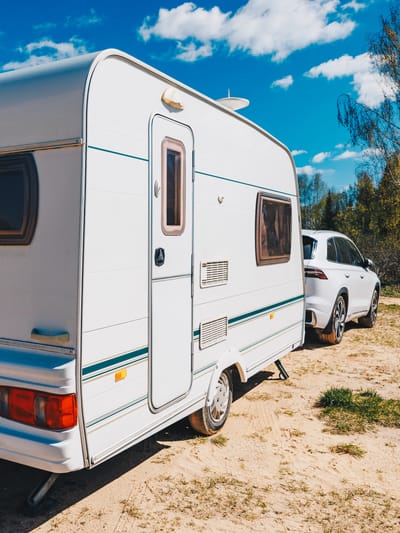
Travel trailers get towed behind your existing vehicle, giving you the freedom to unhitch and explore in your regular car. They range from tiny teardrops to massive family haulers. If you're weighing a compact trailer against a van conversion, our comparison of compact travel trailers vs. van life for digital nomads lays out exactly what each setup costs and delivers.
Perfect for: Anyone who wants RV living without giving up their daily driver, or those on a tighter budget who can't afford a motorhome.
Digital nomad perspective: Your current vehicle becomes your work commute car, grocery getter, and exploration vehicle all in one.
Budget range: $15,000–$150,000 new, $8,000–$80,000 used
Fifth Wheel Trailers: The Spacious Overachievers
These attach to a special hitch in your truck bed and offer more living space than any other RV type. Fifth wheel trailers can be comparable in length to Class A motorhomes, often stretching from 22 to 40 feet front to back.
Perfect for: Full-timers who want maximum space and luxury, or anyone who already owns a heavy-duty truck.
Digital nomad reality: These offer the most bang for your buck in terms of living space, but you'll need a serious truck to pull them.
Budget range: $25,000–$200,000 new, $15,000–$120,000 used
What Type of RV Should I Buy for My Lifestyle?
The Weekend Warrior
You work a traditional job but want epic weekend adventures and the occasional work-from-anywhere week.
Best choice: Class B or small Class C motorhome, or a mid-size travel trailer. You need something that won't intimidate you on Friday afternoon when you're eager to escape the office grind. If you're still deciding between renting first and buying outright, our RV rental vs. buying breakdown can help you figure out which path actually makes financial sense for your situation.
The Digital Nomad Professional
You work remotely full-time and want to explore while maintaining a professional image on video calls.
Best choice: Class B with a good interior design or a well-laid-out Class C. You need reliable internet connectivity, a proper workspace, and the ability to park in urban areas for coworking spaces and reliable WiFi.
The Full-Time Adventurer
You've said goodbye to rent and hello to permanent wandering.
Best choice: Fifth wheel or larger Class A. Class A motorhomes are ideal for families and groups who want the ultimate in luxury and comfort. You'll want maximum space, storage, and comfort since this is your actual home. Once you're living in your rig full-time, staying ahead of repairs becomes critical — our RV maintenance checklist covers everything from roof seals to battery checks so nothing catches you off guard.
The Social Media Nomad
Your RV needs to look good on Instagram while providing a platform for content creation.
Best choice: High-end travel trailer or luxury Class B. These photograph beautifully and give you the aesthetic appeal that translates to social media success.
NEVER BOUGHT AN RV BEFORE?
GET OUR FREE 75-PAGE GUIDE TO BUYING YOUR FIRST RV
The Towing Question: Do You Need a "Toad"?
If you're considering a motorhome (Class A, B, or C), you'll need to decide whether to tow a car behind it — what RVers call a "toad" (towed vehicle).
The case for towing a car:
- Freedom to explore without unhooking utilities at campgrounds
- Easier grocery runs and day trips
- No need to pack up your entire campsite for a quick errand
- Better fuel efficiency for local driving than moving your entire RV
The case against a toad:
- Additional purchase cost ($15,000–$40,000 for a towable vehicle)
- Towing equipment and setup costs ($2,000–$5,000)
- More complex driving and parking
- Additional insurance and maintenance costs
- Some cars require modifications to be flat-towed
Digital nomad angle: If you're planning to work from various locations and need reliable transportation to coffee shops, libraries, or coworking spaces, a toad becomes almost essential. Without one, you'll find yourself either staying put at campgrounds with amenities or constantly unhooking your RV setup.
The towable alternative: Here's where travel trailers and fifth wheels shine. If you don't want the complexity and cost of a toad, but still want the freedom to explore without constantly packing up, towables give you the best of both worlds. Your truck becomes your adventure vehicle and daily driver, while your RV stays put at camp. You get the space and comfort of a larger RV without the driving challenges or the need for additional vehicles.
A few pieces of towing gear make the whole setup significantly safer. A weight distribution hitch with sway control is essential for anything over 5,000 pounds of trailer tongue weight, and clip-on towing mirror extenders give you the rear visibility you'll wish you had the first time you try to back into a site without them. For added confidence on the road, a magnetic wireless backup camera mounts in minutes and eliminates the guesswork when maneuvering in tight campgrounds.
Think about your travel style: Will you park at a campground for a week and explore the area, or are you constantly on the move? Your answer will determine whether a toad is worth the investment and complexity — or whether a towable RV setup makes more sense for your situation. Our full guide on how to tow a travel trailer for the first time walks you through every step of the learning curve before you ever hook up.
Beginner RV Guide: The Budget Reality Nobody Talks About
Initial Purchase vs. Total Cost of Ownership
Here's what nobody tells you: the purchase price is just the beginning. Factor in:
- Insurance: $1,000–$4,000 annually depending on RV type and value
- Registration and taxes: Varies by state, can be $500–$2,000 annually
- Maintenance: $2,000–$8,000 annually (more for Class As)
- Fuel costs: Class A gets 6–10 mpg, Class B gets 15–20 mpg
- Campground fees: $20–$100 per night depending on amenities
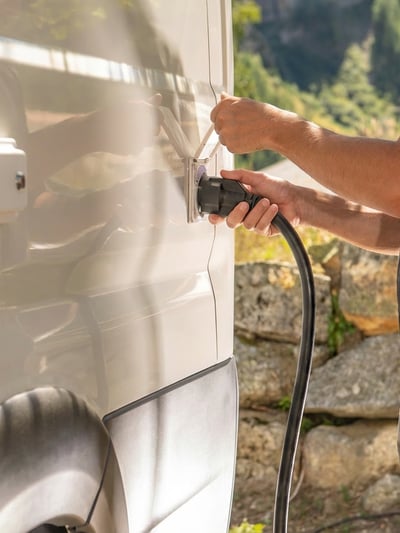
One piece of gear that pays for itself fast: a 50-amp RV surge protector between your rig and shore power. Campground electrical supply is inconsistent, and a single voltage spike can cause thousands of dollars in appliance damage. It's a $100–$200 investment that belongs in every RV owner's toolkit before the first hookup. Speaking of shore power, our breakdown of common RV shore power hookup mistakes is worth reading before you plug in anywhere for the first time.
Financing Reality Check
Most RV loans are structured like boat loans, not car loans. Expect:
- Down payment: 10–20% typically required
- Loan terms: 10–20 years common
- Interest rates: Currently 6–12% depending on your credit
Timing your purchase also matters more than most buyers realize. Dealers discount more aggressively at specific points in the year, and knowing when to shop can save you tens of thousands. Our insider guide to the best time to buy an RV explains exactly when and how to negotiate.
The Beginner RV Guide: What to Actually Look For
Making Your Final Decision
The 30-Day Rule
Before you buy, try renting the RV type you're considering for at least a week, preferably longer.
The Parking Reality Check
Go to your local Walmart, Home Depot, and a few gas stations. Can you realistically see yourself maneuvering your potential RV into these spaces? If not, you might want to reconsider the size.
The Honest Lifestyle Assessment
Ask yourself these questions:
- Will you actually use all that space, or will it become expensive storage?
- Are you comfortable driving something large, or will it stress you out?
- Do you prefer the flexibility of unhitching (travel trailer) or the convenience of everything in one unit (motorhome)?
- How often will you actually move your RV? Some people buy massive rigs and then park them for months at a time.
For a complete step-by-step walkthrough of what to inspect, what to ask, and how to avoid the most common first-timer mistakes, our guide to buying your first RV like a pro covers everything from pre-purchase inspections to negotiation tactics. And once you've decided to go solar — which most RVers eventually do — our guide to building an RV solar setup on any budget will help you spec the right system for your rig and usage patterns before you spend a dollar.
The Bottom Line on What Type of RV Should I Buy
The best RV is the one you'll actually use and enjoy. A modest Class B that gets you on the road every weekend beats a massive Class A that sits in storage because you're intimidated to drive it.
Start with your non-negotiables: budget, sleeping capacity, and how you'll actually use it. Everything else is just features. Remember, you can always upgrade later as you figure out what RV life actually looks like for you.
The perfect RV doesn't exist, but the right one for your specific situation absolutely does. Take your time, do your research, and don't let anyone pressure you into buying more than you need or can afford.
Still weighing the classes against each other? The free Ultimate RV Buyer's Guide walks through every RV type in depth, including what each one actually costs to own.
FAQs
What type of RV is best for a first-time buyer?
For most first-time buyers, a Class C motorhome or a mid-size travel trailer is the easiest entry point. Class C rigs give you enough space for a family or couple without the driving difficulty of a full-size Class A, and they're available new in the $60,000–$200,000 range. Travel trailers in the 22–28 foot range are often the most budget-friendly option, starting around $15,000–$40,000 used, and let you keep your existing vehicle for daily driving. The most important thing is to rent before you buy — a week in a specific rig type will tell you more than hours of online research.
What is the difference between a Class A, B, and C RV?
Class A motorhomes are the largest drivable RVs, built on a bus or commercial truck chassis, ranging from 24 to 45 feet and sleeping up to 10 people. Class B motorhomes are converted high-roof vans that can park in standard spaces — the most fuel-efficient option at 15–20 mpg, best for solo travelers or couples. Class C motorhomes fall between them, built on a truck cab chassis with a distinctive cab-over sleeping area, sleeping 4–8 people and offering a balance of space and driveability. All three are self-contained and require no separate tow vehicle.
Is it better to buy a travel trailer or a motorhome?
It depends entirely on your driving preference and daily use patterns. A motorhome is one self-contained unit you drive everywhere, which simplifies the driving but means every errand requires moving your entire home. A travel trailer stays parked at your campsite while your tow vehicle serves as your daily driver for local exploration — more flexibility, but it requires a capable tow vehicle and practice backing into sites. Travel trailers typically cost significantly less than equivalent motorhomes and have lower maintenance costs since you're not maintaining an engine.
How much does it cost to own an RV per year?
Total annual ownership costs vary widely by RV type but commonly fall between $5,000 and $20,000 beyond your loan payment. A Class A motorhome will typically run $8,000–$15,000 annually in fuel, insurance, maintenance, registration, and campground fees. A travel trailer's annual costs are lower — often $4,000–$8,000 — since you're not paying for a second engine or drivetrain. These figures don't include unexpected repairs, which on older rigs can range from a few hundred dollars for a seal replacement to several thousand for slide-out or HVAC issues.
Do I need a special license to drive an RV?
In most U.S. states, a standard Class D driver's license is sufficient for personal-use motorhomes under a certain weight — typically 26,000 pounds GVWR. Some states, including California and a few others, require a non-commercial Class B license for larger Class A motorhomes. If you're towing a fifth wheel or travel trailer, requirements vary by combined weight. It's worth checking your specific state's DMV requirements before purchasing, particularly if you're looking at anything over 35 feet or a diesel pusher Class A.
What is the best RV for full-time living?
Fifth wheel trailers and large Class A motorhomes are the most popular choices for full-timers because they offer the most living space, storage, and residential-grade appliances. Fifth wheels in the 36–42 foot range often feature separate bedroom slides, full-size residential refrigerators, and washer/dryer combos — all of which matter significantly when a rig is your primary home. Class A diesel pushers in the same length range offer similar amenities with the added convenience of a self-propelled unit. Budget-conscious full-timers often start with a used fifth wheel in the $30,000–$60,000 range and upgrade once they understand exactly what they need from a full-time setup.
What size RV do I need for a family of four?
A family of four typically needs a minimum of 28–32 feet of living space to travel comfortably for extended periods. This usually means a Class C motorhome or travel trailer with at least one slide-out, a dedicated sleeping area for parents separate from kids, and enough bathroom space to avoid morning traffic jams. If you're homeschooling or working remotely while traveling with kids, look specifically for floor plans with a dinette or booth area large enough to double as a workspace, which many family-oriented fifth wheels and travel trailers include.





Categories
Related Posts



Subscribe to the Swervia Newsletter
The best RV stories, tips, and destinations—expertly curated and always free.