Your Complete Guide to Boondocking Without Hookups (And Why You'll Never Want to Go Back)
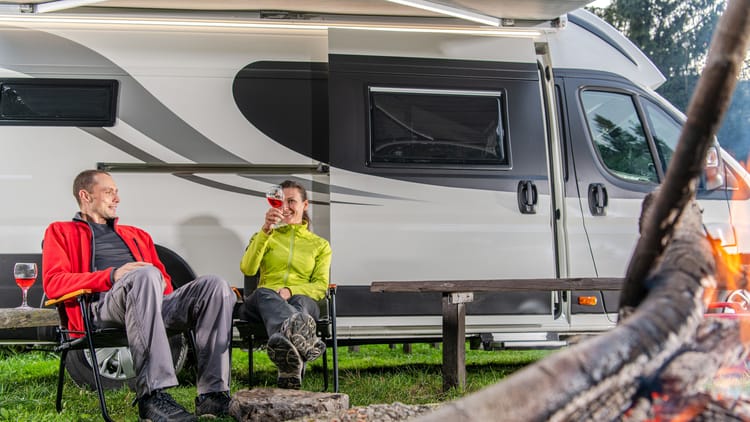
So you're ready to ditch the crowded campgrounds and their premium hookup fees? Smart move. Boondocking without hookups isn't just about saving money—it's about discovering the real freedom that drew you to RV life in the first place. No neighbors blasting music at 6 AM, no arguing over the last spot with full hookups, and definitely no paying $60+ per night to park between a highway and someone's overflowing septic system.
The truth is, successful boondocking without hookups comes down to three things: smart power management, legal camping know-how, and the right gear setup. Master these, and you'll unlock access to some of the most incredible camping spots North America has to offer—many of them completely free. If you're also thinking through the true financial picture of extended off-grid living, our breakdown of how much full-time RV living actually costs puts boondocking's savings potential in sharp relief.
Power Usage: Your Make-or-Break Foundation
Here's what separates weekend warriors from seasoned boondockers: understanding exactly how much power you actually use versus how much you think you use. Many appliances have a parasitic draw, meaning they're pulling power even when turned off.
First, let's clear up the watts versus amp hours confusion. Watts measure how much power a device uses at any moment—like your coffee maker pulling 1,200 watts when brewing. Amp hours measure how much total energy your batteries can store. Think of watts as the speed water flows from a faucet, and amp hours as the size of your bucket. To convert: Watts ÷ 12 volts = Amps. So that 1,200-watt coffee maker uses 100 amps per hour of operation.
Start with a power audit. For three days at home, track every device you plug in, every light you flip on, and every appliance you run. Your phone charger pulls about 5 watts (0.4 amps), your laptop around 65 watts (5.4 amps), and that innocent-looking coffee maker? Try 1,200 watts (100 amps) for your morning brew.
The magic number most successful boondockers aim for is 100-150 amp hours of daily consumption. 400Ah of lithium batteries is a good starting point for extended off-grid adventures, giving you 2-3 days of power without recharging. For a deeper look at why batteries underperform and how to diagnose the problem before a trip, our guide on why your RV battery keeps dying covers the most common culprits.
Smart Power Conservation Tactics
Turn off your water heater when not actively showering—it's one of your biggest power drains. Just turn it on when you need a shower, and then turn it off. Your future self will thank you when you're not scrambling to find a place to recharge on day two.
Unplug everything when not in use. Here's what's quietly draining your batteries 24/7: your microwave clock uses about 3 watts (0.25 amps), TV in standby mode pulls 5-10 watts (0.4-0.8 amps), phone chargers use 2-5 watts (0.2-0.4 amps) even with nothing plugged in, and your RV's converter/charger draws 5-15 watts (0.4-1.25 amps) continuously. Combined, these "vampire loads" can drain 15-30 amp hours per day—that's 20% of your daily power budget doing absolutely nothing useful.
Turn circuit breakers off at the panel when sections aren't being used to eliminate phantom power draws entirely.
LED lights are non-negotiable. If you're still running incandescent bulbs in your RV, you're essentially burning money. LEDs use 75% less energy and last 25 times longer.
Solar and Battery Essentials
200 watts of solar is a good place to start for most RVers, but your actual needs depend on your power consumption habits. You could get by with only 200W of rated power from your solar panels for basic kitchen appliances like a coffee maker, refrigerator, and skillet. Our full guide on how to build the perfect RV solar setup on any budget walks through sizing, wiring, and component selection from entry-level to serious off-grid builds.
When it comes to batteries, understand your options. Old-school lead-acid batteries are cheap upfront but only give you about 50% usable capacity and die after 2-3 years. AGM batteries are better but still limited. Lithium Iron Phosphate (LiFePO4) batteries are the gold standard—you can use 95% of their capacity, they last 10+ years, and they handle temperature extremes better. Yes, they cost 3-4 times more initially, but the math works out over time. A quality lithium iron phosphate battery bank with internal cell heating makes a measurable difference in cold-weather performance.
The 460 amp-hour lithium iron phosphate battery systems are powerful and resilient, with internal heaters that keep cells at healthy temperatures in cold weather. This is crucial because batteries lose capacity as temperatures drop.
Pair your battery bank with a pure sine wave inverter rated at 2,000 watts or higher. Pure sine wave inverters protect sensitive electronics—laptops, CPAP machines, and anything with a motor—from the irregular current output that modified sine wave inverters produce.
Pro tip: The newest RV solar power trend is ditching 12-volt systems for 48-/51-volt battery systems with inverters. These systems are more efficient and becoming increasingly popular among serious boondockers who need maximum power density.
Greywater Management: Keep It Legal, Keep It Simple
Greywater disposal is where many newbie boondockers get tripped up—and sometimes fined. Dry camping refers to staying at a commercial campground with no hookups. You must rely on your own tanks and generators, which means managing all your waste water properly.
Never dump greywater on the ground, even if it's "just soapy dishwater." Most public lands have strict regulations about waste disposal, and rangers take this seriously. Your greywater tank will fill up faster than you think, especially if you're doing dishes and taking showers.
Extending Your Greywater Capacity
Paper plates and disposable utensils work as an emergency backup when you're running low on tank space, but they shouldn't be your first choice because we love Mother Nature. Better approach: wash dishes efficiently by scraping everything clean first, then washing all dishes in one basin of soapy water, followed by a quick rinse in a second basin. This two-basin method cuts water usage by 60% compared to running water the whole time.
Take navy showers: water on to get wet, water off to soap up, water on to rinse off. You'll cut your water usage by 50-70% and extend your boondocking time significantly.
Other water conservation tactics: brush your teeth with bottled water instead of running the tap, use baby wipes for quick cleanups between showers, and collect the cold water that runs before your shower gets hot—use it for washing dishes or coffee.
Consider a portable grey water tank for longer stays. These 15-27 gallon tanks let you empty your RV's greywater without having to move your entire rig.
Off-grid power, water, and legality in one place. Subscribe to our weekly newsletter.
BOONDOCKING INTEL, FREE, EVERY WEDNESDAY.
Camping Legalities: Where You Can Actually Park
Boondocking is legal in designated areas like BLM land, national forests, and some parking lots with permission. Always research the specific area where you intend to camp to ensure compliance with local rules and regulations.
The 14-day rule is standard across most public lands: campers must not leave any personal property unattended for more than 10 days (12 months in Alaska). But here's the catch—you typically need to move at least 25 miles away before you can set up another 14-day camp.
Best Legal Boondocking Locations
Bureau of Land Management (BLM) Land is your best friend for free, long-term camping. Most BLM areas allow 14-day stays with minimal restrictions. Our complete beginner's guide to BLM camping goes deep on the 14-day rule's mileage requirements, what's free vs. fee-required, and the best regions for first-timer-friendly dispersed camping
National Forest Service lands offer similar 14-day opportunities, often with better scenery and more tree coverage. National parks will have designated campgrounds (with or without hookups) for RVs or designated boondocking areas that require advance reservations.
Walmart, Cracker Barrel, and Travel Centers allow overnight parking in many locations, but always call ahead or check ahead for current policies. For the actual mechanics of finding these spots — apps, maps, and reconnaissance habits — see our breakdown of how the RVers who never pay for a campsite find their spots.
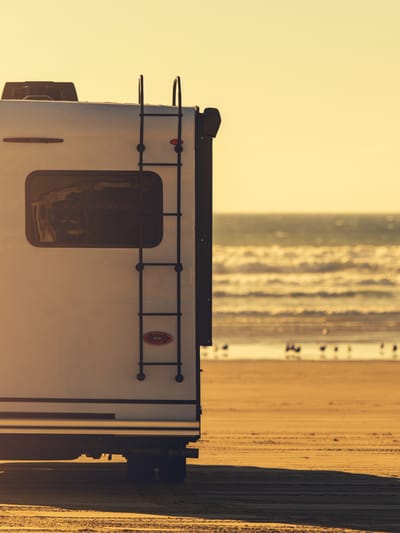
One underutilized option: coastal and lakefront public lands. Our guide to beach RVing for boondockers covers the specific rules around sand camping, tide awareness, and the permits that apply in different states.
Water and Waste Management: The Full Picture
Fresh Water Considerations
Your fresh water tank needs more attention when boondocking. Stagnant water breeds bacteria, so if your tank has been sitting for more than a week, sanitize it before your trip. Use one cup of bleach per 15 gallons of tank capacity, fill completely, let sit for 4 hours, then drain and refill with fresh water.
If you want to hire professionals to handle your RV tank cleaning, check out Kleen Tanks.
Consider the source when refilling. Gas stations and some public water sources may have high mineral content or questionable quality. A basic water filter system protects both your health and your RV's plumbing. Our roundup of portable water filter systems that actually work off-grid covers gravity filters, inline options, and UV treatment for RVers refilling from backcountry sources.
Black Tank Management
Your black tank will determine your boondocking duration more than anything else. Use RV-specific toilet paper that breaks down quickly, and add tank treatments to help with odor and breakdown. Some boondockers swear by the "pyramid method"—always add liquid first, then solids, to prevent waste from sticking to sensors. Our RV plumbing primer breaks down how your three tanks actually work and why mismanaging them is the #1 cause of boondocking trip-enders.
Dump Station Strategy
When you finally need to empty tanks, use one of the many dump apps or websites around to find the nearest station. Many truck stops, some gas stations, and all RV parks have dump facilities. Expect to pay $5-15 for dump services at commercial locations.
Pro tip: Some states have free dump stations at highway rest areas or state parks. Plan your route to hit these when possible.
Temperature Control: Surviving Extreme Weather Without Hookups
Extreme temperatures are your enemy when boondocking, and they'll drain your batteries faster than anything else. Your RV's air conditioner can pull 130+ amps per hour, while electric heaters use 80-125 amps per hour. A single night of climate control can drain a 400Ah battery bank completely.
Keeping up with routine systems checks before a trip is what separates a smooth boondocking stay from an emergency retreat. Our RV maintenance checklist covers the pre-trip inspections that catch problems before they become expensive surprises in the backcountry.
Hot Weather Strategies
Park with your RV's long side facing north to minimize sun exposure. Use reflective window covers religiously—they can reduce interior temps by 10-15 degrees. Vent fans are your friend; they use only 3-5 amps but can make a 90-degree day bearable by moving air.
If temperatures are forecast above 85°F and you don't have massive solar and battery capacity, have a backup plan. Know where the nearest RV park with hookups is located, and don't let pride keep you from retreating when conditions get dangerous.
Cold Weather Survival
Your RV's propane furnace is more efficient than electric heat, but it still needs electricity for the blower fan (8-10 amps per hour). In sub-freezing temps, you'll also fight battery capacity loss—lithium batteries lose about 20% capacity at 32°F, and lead-acid batteries lose up to 50%.
Insulate everything: foam boards in windows, reflective insulation behind your RV, and draft stoppers around doors. Catalytic heaters provide heat without electricity but require ventilation and carbon monoxide monitoring.
Emergency backup: Have a plan for when your primary heating fails. This might mean sleeping bags rated for the temperatures you'll face, or knowing the location of the nearest hotel or heated building.
Essential Gear Checklist for Hookup-Free Success
Power Solutions
- Solar panels: Minimum 200 watts for basic needs
- Lithium battery bank: 400Ah starting point for extended stays
- Inverter: Pure sine wave, 2000+ watts for appliance compatibility
- Battery monitor: Know exactly where you stand power-wise
- Portable generator: Backup for cloudy days. A portable solar generator rated at 1,000Wh or more gives you a clean, quiet backup option that recharges from your panels during the day.
Water Management
- Extra fresh water storage: Collapsible tanks or jerry cans
- Portable greywater tank: 15-27 gallon capacity
- Water filter system: For refilling from questionable sources
- Pressure washer: Solar shower bags for water conservation
Connectivity and Navigation
- Cell signal booster: For better coverage
- Satellite internet: For reliable internet in remote locations. If you're working remotely from off-grid sites, our comparison of the best RV internet options for remote work breaks down satellite, cellular, and hybrid setups by cost and reliability.
- Offline maps: Download areas to your phone before heading out
- Satellite communicator: For emergency situations
- Weather radio: NOAA alerts for severe weather
- Tire pressure monitoring: A tire pressure monitoring system that runs on solar charge keeps tabs on all tires continuously, which matters more on remote dirt roads where a slow leak can turn into a full blowout miles from help.
Comfort and Safety
- Propane detector: LP gas leaks are serious business
- Carbon monoxide detector: Generator use requires vigilance
- Fire extinguisher: ABC-rated for multiple fire types
- First aid kit: Comprehensive setup for remote locations
- LED lanterns: Battery-powered backup lighting
- Security: Off-grid spots can feel isolated in ways that are freeing and occasionally unnerving. Our guide to RV security cameras that work in remote locations covers solar-powered, cellular-connected options that don't require campground WiFi to function.
Making It All Work: Your First Successful Trip
Start small. Plan a 3-4 day trip somewhere within cell range of home. This gives you time to learn your systems without the pressure of being completely off-grid for a week.
Test everything at home first. Run your RV for 24 hours on battery power only. You'll quickly discover which systems drain power faster than expected and which conveniences you can live without.
Have backup plans for your backup plans. Know where the nearest dump station is, where you can buy propane, and how to get cell coverage if needed. It also pays to know how shore power works before you actually need it—our walkthrough of common RV shore power hookup mistakes is useful reading before your first trip back from the backcountry into a campground with hookups.
Monitor your power religiously for the first few trips. Most battery monitors have smartphone apps that let you track usage patterns and identify power-hungry devices.
Physical conditioning is easy to overlook when you're focused on systems and logistics, but staying mobile makes boondocking more enjoyable. Our guide to RV healthy living and staying fit anywhere you park covers workout routines, nutrition, and wellness habits that don't require a gym or a hookup.
The Bottom Line: Freedom Has Its Price (But It's Worth It)
Successful boondocking without hookups requires an upfront investment in gear and a learning curve that might involve a few "character-building" experiences. But once you've got your systems dialed in, you'll have access to camping experiences that simply aren't possible when you're tied to hookups.
There's something addictive about waking up in a spot where your RV is the only sign of civilization for miles. No generators humming at dawn, no kids racing bikes past your windows, no campground WiFi fighting with 200 other users. Just you, your rig, and whatever incredible scenery convinced you to park there in the first place.
The skills you develop boondocking without hookups will make you a more confident, self-sufficient RVer overall. You'll stop seeing "no hookups available" as a dealbreaker and start seeing it as an opportunity for adventure—and serious savings on camping fees.
Ready to give it a shot? Start planning that first trip, but remember: the best boondocking spots aren't found in guidebooks. They're discovered by RVers willing to take that turn down the dirt road and see what's around the bend.
FAQs
What is boondocking without hookups?
Boondocking without hookups means camping in an RV without connecting to external electrical, water, or sewer services. You rely entirely on your own onboard systems—batteries, solar panels, fresh water tanks, and waste tanks. It is legal on most Bureau of Land Management land, National Forest land, and other public lands that permit dispersed camping, typically for up to 14 consecutive days before you must move at least 25 miles.
How much solar do I need to boondock in an RV?
Most RVers need a minimum of 200 watts of solar for basic boondocking, covering a 12-volt refrigerator, phone and laptop charging, LED lighting, and a vent fan. If you run an air conditioner, microwave, or other high-draw appliances regularly, 400-600 watts is a more realistic target. Pair your solar array with at least 200-400Ah of lithium battery storage to carry enough power through cloudy days and overnight.
How long can I boondock on one tank of water?
A typical RV fresh water tank holds 40-100 gallons. With conservative use—navy showers, two-basin dish washing, and no running water for teeth brushing—a solo RVer can stretch 40 gallons to 7-10 days. A couple using the same conservation habits can expect 4-6 days from the same tank. Your grey water and black tanks will usually fill faster than your fresh water runs out, so plan dump station stops accordingly.
Is it legal to boondock on BLM land for free?
Yes. Bureau of Land Management land is open to dispersed camping at no cost in most areas, with a standard 14-day limit per location. After 14 days, you are required to move at least 25 miles before establishing a new camp. Some BLM areas have specific restrictions or require free permits—always check the local BLM field office website for the area you plan to visit before arriving. Not all BLM land permits camping, and designated recreation areas may have separate fee structures. For a deeper guide to BLM camping specifically — finding spots, the 14-day rule nuances, regional recommendations — see our complete BLM camping guide.
What batteries are best for boondocking?
Lithium Iron Phosphate (LiFePO4) batteries are the best option for boondocking. They deliver 95% usable capacity compared to 50% for lead-acid, last 10 or more years with proper care, charge faster, and maintain performance in cold temperatures better than AGM or flooded lead-acid batteries. The upfront cost is three to four times higher than lead-acid, but the total cost of ownership over a 10-year period is generally lower when you account for the number of battery replacements lead-acid requires.
How do I find free boondocking spots?
The most reliable sources for free dispersed camping are the BLM's official land maps, the USDA Forest Service interactive map, and the Motor Vehicle Use Maps (MVUMs) published for each national forest. These show which roads and areas permit camping. Offline mapping apps with BLM and forest overlays are useful once you're in areas with limited cell service. Harvest Hosts and Boondockers Welcome offer membership-based access to private land and farm stays that function similarly to free camping.
What is the 14-day rule for boondocking?
The 14-day rule is a dispersed camping limit enforced by the Bureau of Land Management and most National Forest districts. It states that campers may not occupy the same location for more than 14 consecutive days within a 28-day period. After reaching the limit, you must relocate your camp at least 25 miles from the previous site before the 28-day window closes. The rule is designed to prevent resource damage and ensure access to public lands for other users. Violations can result in fines and may impact future access to specific areas.
Categories
Related Posts

Subscribe to the Swervia Newsletter
The best RV stories, tips, and destinations—expertly curated and always free.