Why Most RV Security Systems Fail on the Road
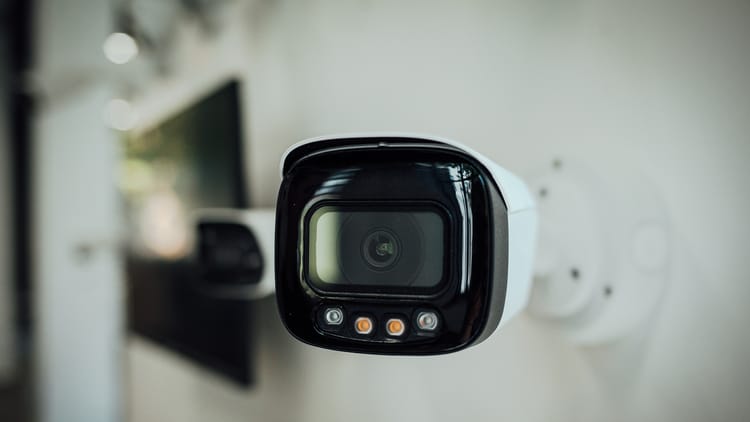
Look, we get it. You've invested your life savings (or close to it) in that beautiful rig, and the thought of someone breaking in while you're exploring a remote canyon or grabbing groceries in an unfamiliar town keeps you up at night. The good news? Today's RV security systems have come a long way from those ear-splitting alarms that went off every time a squirrel jumped on your roof.
Whether you're a full-timer protecting your permanent home on wheels or a luxury traveler safeguarding high-end gear, choosing the right security system can mean the difference between peaceful adventures and constant worry. If you're still figuring out which rig you're protecting in the first place, our guide on what type of RV to buy is a good place to start. Let's dive into what actually works.
Security System Types: Smart vs Traditional Solutions
The RV security landscape has evolved dramatically. Gone are the days when your only option was a basic motion detector that couldn't tell the difference between a raccoon and a real threat.
Smart Security Systems
Modern smart systems have revolutionized RV security by connecting to your smartphone and sending real-time alerts whether you're hiking two miles away or watching Netflix in the driver's seat. These systems adapt to your mobile lifestyle, automatically switching between cellular and Wi-Fi connections as you travel.
Key Features to Look For:
- Smartphone app with real-time notifications
- Cellular and Wi-Fi connectivity options
- Battery backup for off-grid adventures
- Weather-resistant sensors and cameras
- Integration with other smart devices
Smart systems excel because they're designed for mobility, unlike traditional home security systems that assume you'll always be in one location. The best options work seamlessly whether you're in a Class A motorhome, travel trailer, fifth wheel, or van conversion. For camera-specific recommendations, our guide to off-grid RV security cameras covers the hardware side in depth. A solar-powered wireless backup camera is a popular starting point for RVers who want visual coverage without running new wiring.
Traditional Hardwired Systems
Traditional systems still have their place, especially for permanent installations or long-term stays. These systems offer robust wired setups ideal for RVers wanting permanent installs with no wireless connectivity concerns.
When to Consider Traditional Systems:
- Extended stays at one location (3+ months)
- Concerns about wireless signal reliability
- Preference for hardwired connections
- Integration with existing RV electrical systems
The trade-off? Installation complexity and reduced flexibility when you're constantly moving between campgrounds with different power and connectivity situations.
Installation Guide: DIY vs Professional Setup
Here's where the rubber meets the road (literally). Installation difficulty varies dramatically between system types, and your choice depends on your technical comfort level and travel style.
DIY Installation
Most modern RV security systems are designed for self-installation, making them perfect for RVers who want to avoid the complexity and cost of professional setup. Wireless systems particularly shine here, requiring no drilling or complex wiring.
Installation Tips for DIYers:
- Plan sensor placement before drilling any holes
- Test cellular signal strength at your typical camping spots
- Consider vibration and temperature extremes your RV experiences
- Use removable mounting options for rental RVs
- Ensure compatibility with your RV's power system (12V vs 110V)
Essential Tools You'll Need:
- Drill with various bits
- Level for camera alignment
- Cable fish tape for wire routing
- Multimeter for power testing
- Weather sealant for exterior penetrations
Professional Installation Options
Professional installation makes sense for complex setups or if you're integrating security with existing RV systems like solar panels or backup cameras. Installation costs typically range from $100–$400 depending on system complexity.
Professional installation availability depends on your location and travel patterns. In major metropolitan areas and popular RV destinations, finding qualified technicians is increasingly easier as more RV service centers add security installation to their offerings. However, if you frequently camp in remote areas or prefer off-the-beaten-path destinations, scheduling professional installation can be challenging and may require planning around visits to larger RV service hubs.
Monitoring Options: Self vs Professional Services
Your monitoring choice significantly impacts both cost and peace of mind. Let's break down what actually works for different RV lifestyles.
Professional Monitoring
Professional monitoring means trained operators receive your alerts 24/7, contacting emergency services when needed. This is crucial for full-timers and remote adventurers who might be hours from cell service or local authorities. If you spend significant time boondocking, our complete guide to boondocking without hookups covers connectivity and power planning that directly affects how your security system performs in those conditions.
Professional Monitoring Benefits:
- 24/7 human oversight
- Automatic emergency service contact
- Backup communication methods
- Detailed incident reporting
- Peace of mind during extended off-grid periods
Monthly costs typically range from $15–$40, depending on service level and features included.
Self-Monitoring
Self-monitoring works well for weekend warriors who are typically within range to respond to alerts personally. You receive notifications directly but handle any response yourself.
Self-Monitoring Advantages:
- Lower ongoing costs (often free after equipment purchase)
- Direct control over responses
- No monthly fees for basic alerting
- Immediate notification without third-party delays
The trade-off is that you're responsible for responding to every alert, which can be challenging during sleep or when you're away from your phone.
Protect your rig smarter, not harder. Subscribe to our weekly newsletter.
THE SMARTEST RVERS READ THIS EVERY WEDNESDAY. JOIN THEM, FREE.
Cost Comparison: Budget Planning for RV Security
Security system costs vary widely based on features and monitoring choices. Here's what you're looking at:
Entry-Level Systems ($150–$400):
- Basic door/window sensors
- Single camera option
- Self-monitoring capability
- Perfect for casual RVers and weekend trips
- Suitable for travel trailers and smaller RVs
Mid-Range Systems ($400–$1,000):
- Multiple cameras and sensors
- Professional monitoring options
- Smart home integration
- Mobile app with advanced features
- Ideal for regular travelers and van lifers
Premium Systems ($1,000–$3,000+):
- Comprehensive camera coverage
- Advanced motion detection with AI
- Integration with RV electrical systems
- Professional monitoring with video verification
- Perfect for luxury travelers and full-timers
For full-timers trying to understand how security fits into the bigger financial picture, our breakdown of the real cost of full-time RV living puts system costs in context alongside campground fees, insurance, and maintenance.
Remember, the most expensive system isn't always the best. Focus on features that match your actual travel patterns and security concerns.
Essential Features for RV Security Systems
When evaluating security systems, certain features are non-negotiable for mobile living:
Power Management
Your security system needs to operate efficiently on battery power during boondocking. Look for systems with low power consumption, solar charging compatibility, and 12V operation options that work with your RV's electrical system. Adding a battery monitor lets you track exactly how much draw your cameras and sensors are pulling from your house batteries in real time. For extended off-grid stays, a portable solar generator can serve as a dedicated power source for security equipment, keeping your main battery bank intact. Our guide to building an RV solar setup covers how to size your power system so security gear doesn't become a drain problem.
Connectivity Solutions
Rural camping means unreliable cellular service. The best systems store alerts locally and sync when connectivity returns. Dual-band connectivity (cellular + Wi-Fi) ensures maximum coverage across different camping scenarios. If reliable connectivity is critical to how you work and travel, our coverage of the best RV internet options for remote work is a natural companion read.
Weather and Vibration Resistance
RV life means temperature extremes, constant vibration, and exposure to elements. Choose systems specifically rated for mobile applications with appropriate IP ratings for outdoor use.
Flexible Mounting Options
Your security needs change based on campground layout and neighbors. Systems with adjustable mounting angles and temporary installation options adapt to different camping situations.
Special Considerations for Different RV Types
Travel Trailers and Fifth Wheels
Towable RVs face unique challenges when unhitched. Look for systems that can operate independently of the tow vehicle, with dedicated power supplies and connectivity solutions.
Key Considerations:
- Battery life during storage periods
- Weatherproofing for long-term outdoor storage
- Easy activation/deactivation for hitching/unhitching
- Theft prevention for the entire unit
Motorhomes and Class B Vans
Self-propelled RVs can integrate security with vehicle systems but face different challenges around power management and installation complexity.
Important Features:
- Integration with existing vehicle alarms
- Dashboard control options for driver access
- Compatibility with engine-off periods
- Discrete installation for stealth camping
One frequently overlooked item: an RV surge protector at your shore power connection protects not just your appliances but any hardwired security components from the voltage spikes that are common at older campground pedestals. It's a relatively small investment that pays for itself the first time a campground has a power event.
Van Conversions
Van lifers need discrete, minimalist solutions that don't compromise the aesthetic or draw unwanted attention during urban camping.
Essential Elements:
- Low-profile cameras and sensors
- Smartphone-only control (no obvious control panels)
- Quick arm/disarm capabilities
- Battery-efficient operation for extended off-grid periods
Digital nomads working from their vans have additional exposure — laptops, monitors, and camera gear add up fast. Our RV office setup guide covers how to organize and secure your workspace inside the rig.
Theft Prevention Beyond Electronics
Don't forget physical security measures that work alongside electronic systems:
External Security:
- Wheel locks and tire clubs
- Hitch locks and coupler locks
- Window security film
- Motion-activated lighting
- Visible security system decals
Internal Security:
- Secure storage for valuables
- Hidden safes for documents and cash
- Laptop locks for digital nomads
- Inventory documentation with photos
These physical layers matter because electronics fail — batteries die, cellular signals drop, apps glitch. Physical deterrents work even when your tech doesn't. Regular walkthroughs for wear and potential vulnerabilities fit naturally into our RV maintenance checklist, which is worth running through at the start of every season.
Making Your Decision: Matching Systems to Lifestyles
The best RV security system depends on your specific travel style and needs:
Weekend Warriors: Start with basic wireless systems offering smartphone alerts and easy installation. Focus on simple arm/disarm processes and battery efficiency.
Full-Timers: Invest in professional monitoring with comprehensive coverage. Consider integration with RV systems and backup power solutions for extended off-grid periods.
Luxury Travelers: Look for premium camera systems with cloud storage, advanced analytics, and professional monitoring with video verification capabilities.
Off-Grid Adventurers: Prioritize systems with excellent battery life, solar charging options, and offline alert storage capabilities.
Van Lifers: Focus on discrete, wireless solutions that don't compromise your minimalist aesthetic or draw attention during urban camping.
Digital Nomads: Choose systems with reliable smartphone apps, remote access features, and integration options for work equipment protection.
Implementation Strategy: Getting Started
Phase 1: Assessment
- Evaluate your typical camping patterns
- Identify your most valuable assets
- Determine your technical comfort level
- Set a realistic budget including ongoing costs
Phase 2: System Selection
- Compare features against your specific needs
- Research compatibility with your RV type
- Read reviews from similar RV travelers
- Consider future expansion possibilities
Phase 3: Installation and Testing
- Start with basic components
- Test in familiar locations before major trips
- Verify cellular coverage at typical destinations
- Create emergency response procedures
The key is matching the system to your actual usage patterns, not buying features you'll never use. Your RV represents freedom, adventure, and often a significant financial investment. The right security system ensures you can explore with confidence, knowing your home on wheels is protected whether you're sleeping inside or hiking miles away.
Choose wisely, install properly, and never let security concerns keep you from discovering what's around the next bend.
FAQs
Why do most RV security systems fail on the road?
Most RV security systems fail because they're designed for stationary homes, not mobile living. They rely on consistent Wi-Fi connections that don't exist at remote campgrounds, lack battery backup for off-grid situations, and use sensors that can't handle the vibration and temperature swings of travel. A system that works perfectly in your driveway may be useless parked at 8,000 feet in the Rockies with no cellular signal.
What is the best type of RV security system for boondocking?
For boondocking, the best systems combine local alert storage (so notifications aren't lost when cellular drops), low power draw from 12V or solar-compatible components, and offline functionality. Look for systems with dual-band connectivity that store events locally and sync when you regain signal. Battery life under full operation should exceed 48 hours without shore power.
How much does a good RV security system cost?
Entry-level wireless systems with basic door sensors and a single camera run $150–$400. Mid-range setups with multiple cameras, smartphone apps, and professional monitoring options typically cost $400–$1,000 for equipment plus $15–$40 per month for monitoring. Premium systems with AI-based motion detection and video verification start around $1,000 and can exceed $3,000 for full rig coverage.
Do I need professional monitoring for my RV?
Professional monitoring is most valuable for full-timers and anyone who regularly boondocks in areas with limited cellular coverage. If you're a weekend camper who stays at well-connected campgrounds and can respond to phone alerts yourself, self-monitoring with a quality app is sufficient. The key question is: if your phone is off or you're unreachable, is there a backup system to contact emergency services?
Can I install an RV security system myself?
Most modern wireless RV security systems are designed for DIY installation and require no special tools beyond a drill and a multimeter. Wireless sensor systems can typically be installed in two to four hours. Hardwired systems or those integrated into your RV's electrical panel are better left to a qualified RV technician, with installation running $100–$400 for labor.
What power considerations matter for RV security systems?
Your security system draws continuously from your house battery bank, so power consumption matters significantly. Low-draw wireless systems typically use 5–15 watts continuously. Adding a battery monitor lets you track this draw in real time. For off-grid trips longer than a couple of days, a dedicated solar-charging setup for security components prevents your security system from draining your main battery bank.
What physical security measures should I use alongside an electronic system?
Electronic systems work best when layered with physical deterrents. Wheel locks, hitch coupler locks, and window security film all add friction for would-be thieves. Motion-activated exterior lighting is one of the highest-return additions — most opportunistic theft happens in low-light conditions. Inside, document your valuables with photos, store important documents in a compact hidden safe, and use a laptop cable lock if you're working remotely from your rig.









Categories
Related Posts


Subscribe to the Swervia Newsletter
The best RV stories, tips, and destinations—expertly curated and always free.