The Best RV Dinners for Every Cooking Setup (No Grocery Run Required)
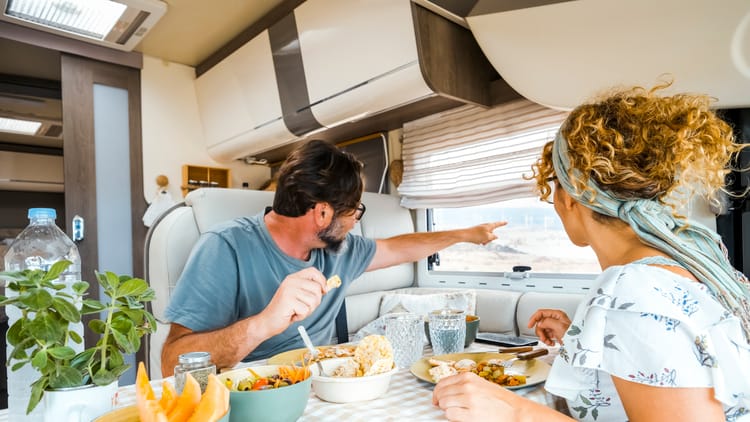
You spent the day doing exactly what you came for. A trail that took longer than expected. A swim nobody wanted to cut short. A detour that turned into the best part of the trip. By the time you're back at the rig, dinner is the last thing you want to think about — and the grocery store is twenty minutes in the wrong direction.
The best RV dinners aren't the ones that require a plan. They're the ones you can pull together from what's already on board: a stocked pantry shelf, a few things in the freezer, and the right cooking method for how much energy you actually have tonight. Good food on the road doesn't require fresh ingredients. It requires knowing what to keep around. If you're newer to RV life, the realities of living and cooking in a small rig are worth understanding before you build your system.
This is a guide to RV dinner ideas organized by cooking method — one-pot, foil pack, no-cook, and grill. Every idea here is built around shelf-stable staples and freezer-friendly proteins. Nothing assumes you hit a grocery store today.
The RV Pantry Shelf That Makes Last-Minute Dinners Actually Work
Before the methods, the foundation. RV fridges are small and cooler space is a commodity, so the goal is a pantry shelf and a compact freezer section that carry you through a spontaneous dinner without a run to the store. Stock these once, keep them replenished, and most of the meals below come together without thinking.
Shelf-Stable Staples Worth Keeping On Board
- Canned goods: beans (black, white, kidney, chickpeas), diced tomatoes, corn, artichoke hearts, coconut milk
- Jarred goods: pasta sauce, curry paste or simmer sauce, roasted red peppers, salsa, hummus or shelf-stable hummus packets
- Instant grains: rice pouches and grain pouches — ninety seconds and you have a base for almost anything
- Shelf-stable Indian food pouches: saag paneer, chana masala, dal makhani, and tikka masala varieties heat directly in the pouch or in a pan; serve over a rice pouch with canned chickpeas stirred in for a full dinner in under ten minutes
- Instant pasta pouches: shelf-stable, ready in sixty seconds in the microwave, and fill the gap on nights when rice isn't what you want
- Pantry essentials: ramen noodles, tortillas, pita bread or crackers, good olive oil, soy sauce, hot sauce, nut butter, rice paper spring roll wrappers, nori sheets
For the spice kit: the magnetic spice tins keep everything organized and accessible without eating cabinet space. If you're still figuring out what gear actually belongs in an RV kitchen, this breakdown of RV kitchen essentials for small spaces covers the full setup.
Smart Freezer Items for a Small RV Freezer
A few well-chosen freezer items are what turn a pantry dinner into a real meal. These are the highest-utility options for limited freezer space:
- Frozen shrimp: thaws in cold water in twenty minutes, cooks in five, works with almost every method below
- Smoked sausage or chicken sausage: goes straight to heat from frozen in most applications, no thawing required
- Pre-cooked ground meat in individual portions: cook a batch of ground chicken, turkey, or beef at home, portion into zip bags, and freeze flat. A flat frozen bag thaws in fifteen minutes in cold water and gives you ready-to-use protein for tacos, rice bowls, pasta, or anything else. This is one of the most space-efficient things you can keep in an RV freezer
- Frozen corn, edamame, and peas: take up almost no space and round out a meal without requiring anything fresh
One-Pot RV Dinners: The Method That Does the Heavy Lifting
One-pot cooking is the workhorse of the RV kitchen. One vessel, minimal cleanup, and it works on a camp stove, a stovetop burner, or a propane flame. A pressure cooker cuts cook times significantly if you have one, which matters when you're rationing propane — but a single pot on a burner gets the job done just as well for most of these.
If you have an electric pressure cooker on board, it earns its counter space here. If you don't, a standard pot works fine for everything below.
Dinner Ideas for One-Pot Cooking
- Sausage, canned tomatoes, and pasta. Slice frozen smoked sausage directly into the pot — no thawing needed. Add a can of diced tomatoes, a cup of water or broth, salt, and pasta. Lid on, fifteen to twenty minutes. One pan, one dinner.
- White bean and chicken sausage stew. Canned white beans, canned diced tomatoes, sliced chicken sausage cooked from frozen, broth, smoked paprika, garlic powder, and a handful of frozen spinach or peas stirred in at the end. Serve with tortillas or crackers. This is a full meal.
- Coconut curry with frozen shrimp. A can of coconut milk, a spoonful of curry paste from a jar, and a handful of frozen shrimp dropped in at the end. Serve over a ninety-second rice pouch. Ready in under twenty minutes.
- Upgraded ramen. Start with instant ramen noodles and skip the seasoning packet. Build your own broth with soy sauce, a little sesame oil, garlic powder, and broth or water. Add frozen corn and frozen edamame. Finish with a soft-boiled egg — crack a raw egg into a mug, cover completely with water, and microwave on fifty percent power for sixty to ninety seconds. It works, it's fast, and it makes ramen feel like an actual dinner.
- Chili from the pantry. Thawed pre-cooked ground meat from a zip bag, or skip the meat entirely. Canned kidney beans, canned black beans, canned diced tomatoes, chili powder, cumin, garlic powder. Simmer twenty minutes. Serve over a rice pouch, with tortilla chips, or wrapped up in a tortilla.
- Indian food pouch over rice and chickpeas. Heat a shelf-stable curry or dal pouch directly in a pan for three minutes. Stir in a can of drained chickpeas to bulk it out. Serve over a ninety-second rice pouch. A full dinner in under ten minutes that tastes nothing like camp food.
A good set of silicone cooking utensils keeps things clean at the stovetop and won't scratch your pots. The counter space you save with collapsible prep tools matters — a collapsible kitchen set that includes a strainer, mixing bowl, cutting board, and measuring cups covers most of one-pot prep in a single stackable unit.
Cooking well in a small space is its own skill set. Subscribe to our weekly newsletter.
THE SMARTER WAY TO RV. EVERY WEDNESDAY, FREE.
Foil Pack Dinners: No Pan, No Scrubbing, No Mess
Foil pack dinners are built for nights when cleanup feels like one step too many. Everything goes into a folded packet of heavy-duty foil and onto the grill or into the coals. The formula: a protein, a vegetable, fat, seasoning, and a tablespoon of liquid for steam. Fold tight, cook over heat, eat out of the packet or onto a plate.
Every meal below is complete — protein, vegetable, and a starch or something substantial enough to stand alone. If you're cooking without hookups, foil packs are one of the most reliable methods going — for more on making meals work entirely off the grid, that guide covers the full picture.
Dinner Ideas for Foil Packs
- Shrimp, canned corn, and butter over rice. Frozen shrimp thawed in cold water for twenty minutes, drained canned corn, a generous pat of butter, garlic powder, Old Bay or Cajun seasoning. Seal tightly, grill eight to ten minutes. Serve over a rice pouch — it soaks up the butter and spice from the packet.
- Smoked sausage, canned potatoes, and jarred peppers. Sliced smoked sausage straight from frozen, canned sliced potatoes drained, jarred roasted red peppers, olive oil, smoked paprika. Seal and cook twenty-five minutes. A full meal on its own — no side needed.
- White beans, sausage, and garlic. Canned white beans, sliced frozen sausage, olive oil, garlic powder, dried rosemary, a splash of broth. Seal and cook until the beans are soft and slightly caramelized at the edges. Eat with warmed tortillas. The beans and sausage together make this a meal.
- Burrito bowl packet. Canned black beans drained, frozen corn, pre-cooked ground meat thawed in a zip bag, cumin, chili powder, a squeeze of lime juice from a bottle, and a little butter. Seal and heat for ten minutes. Serve over a rice pouch with jarred salsa on top.
- Chicken sausage, artichokes, and pasta sauce. Sliced frozen chicken sausage, canned artichoke hearts drained and quartered, jarred pasta sauce, olive oil, garlic powder. Seal and cook twenty minutes. Open the packet over a bowl of instant pasta — the sauce from the packet becomes the sauce for the pasta.
No-Cook RV Dinners: When the Last Thing You Want Is a Burner On
There are nights in RV life where cooking genuinely is not happening. No-cook dinners are a real option, not a fallback — and the best ones are fresh, fast, and satisfying. The key is having a few clever formats in your back pocket that make whatever you have on hand feel intentional.
Dinner Ideas for No-Cook Nights
- Spring roll wrappers or nori sheets with whatever's in the fridge. Rice paper spring roll wrappers and nori sheets are two of the most underrated things you can keep in an RV pantry. Soak a spring roll wrapper in warm water for twenty seconds, lay it flat, and fill it with whatever cold protein you have — leftover rotisserie chicken pulled apart, canned tuna, deli meat from the cooler — plus whatever vegetables are starting to look like they need to be used: cucumber, shredded carrots, bell pepper strips, avocado if you have one. Roll it up. For nori, same idea, no soaking required. Serve with soy sauce, sriracha, or a peanut sauce made from peanut butter, soy sauce, hot sauce, and a little water to thin. This is the best use of fridge cleanout vegetables you'll find, and it comes together in ten minutes with no heat.
- Mediterranean board with hummus and pita. Hummus is one of the best things you can keep in the RV — it's protein, it's fat, and it anchors a no-cook meal without any effort. Spread hummus on a plate or straight into a bowl. Surround it with pita or crackers, jarred olives, sliced cucumber if you have one, jarred roasted red peppers, capers, any cheese you're carrying, and a drizzle of olive oil. This is dinner. It's also the kind of thing that feels relaxed and a little indulgent at the end of a good day outside.
- Pantry board. Crackers, canned sardines or smoked oysters, jarred olives, nuts, any shelf-stable cheese you're carrying, condiments you have open. This is dinner. Three minutes, zero cooking, and it eats better than it sounds when you're hungry.
- Canned tuna or salmon wraps. Pouched or canned tuna, a tortilla, a squeeze of hot sauce or mustard, canned corn, sliced pickles. Roll it up. If you have a can of white beans, mash a few into the tortilla as a spread — it adds protein and makes the whole thing more substantial.
No-cook nights pair naturally with staying active and eating well on the road. If keeping nutrition on track while traveling is something you think about, these RV healthy living strategies are worth a read. A good cooler that holds temperature gives you more flexibility on no-cook nights when you do have a few cold items on board — the YETI Hopper M Series keeps things cold long enough that you're not racing against spoilage by day three.
No-cook nights also tend to happen after the most memorable days — the ones where you didn't want to stop. If you're building a trip around maximizing those days, our guide to planning RV trips in the West has solid starting points for the destinations that earn them.
RV Grill Dinners: Because There Are Few Better Things Than Cooking Outside
Grilling at the campsite feels right regardless of what's on the grate. A portable grill that gets hot is all you need, and most of the best grill dinners work just as well with frozen proteins and pantry staples as they do with fresh ones.
A flat-top griddle handles everything from shrimp to quesadillas and is easy to clean at a campsite. If you prefer traditional grill marks and real smoke flavor, a portable ceramic charcoal grill gets genuinely hot in a compact footprint. A tabletop charcoal grill is the budget-friendly option that still does the job. We've linked a few worth looking at: the Blackstone tabletop griddle, the Kamado Joe Joe Jr., and the Oklahoma Joe's Rambler. If you want a deeper look at how these and other appliances stack up for RV cooking, this guide to game-changing RV kitchen appliances covers each one in detail.
Dinner Ideas for the Grill
- Smash burgers from frozen patties. Frozen burger patties go straight onto a hot flat-top — no thawing needed. High heat, press flat, sixty to ninety seconds per side. Add cheese. Serve on a tortilla if you don't have buns. One of the fastest dinners in the rotation.
- Frozen sausage links with a rice and bean side. Straight from the freezer onto medium heat, turning regularly for fifteen to twenty minutes. While they cook, warm a rice pouch and open a can of black beans. Sausage over rice and beans with jarred salsa is a complete dinner.
- Quesadillas on the flat-top. Tortillas, any cheese you have, canned black beans, canned corn, pre-cooked ground meat from a thawed zip bag, cumin, chili powder. Press on a hot griddle for two to three minutes per side. Serve with jarred salsa. This is a real dinner, not a snack.
- Grilled flatbreads from tortillas. A flour tortilla on a hot grill for ninety seconds per side blisters and crisps fast. Top with jarred pasta sauce, any cheese, canned artichokes, or whatever you have. Lid on for another minute to melt the cheese. A stack of tortillas and a few toppings feeds everyone.
- Shrimp on the griddle. Thaw frozen shrimp in cold water for twenty minutes, toss directly onto a hot oiled surface with garlic powder and paprika. Three to four minutes total. Serve over a rice pouch — the seasoned shrimp juice soaks into the rice and makes the whole plate better.
- Ground meat tacos from the freezer. Thaw a flat zip bag of pre-cooked ground chicken or turkey in cold water for fifteen minutes, heat directly on the grill surface for two to three minutes to warm through and get some color. Season with cumin and chili powder. Tortillas, jarred salsa, canned corn. Done in twenty minutes from frozen.
For smoke flavor without a full smoker setup, a wood pellet grill that runs on electricity gives you genuine smoke from a compact, campsite-friendly unit. The Ninja Woodfire Pro XL is one option worth knowing about. And if you're traveling with family and grilling is a nightly ritual, our downsizing guide covers how to decide which cooking gear makes the cut when you're packing a rig for real life.
A Few Things That Make RV Dinners Easier Across Every Method
Stock the pantry shelf before you leave, not the fridge. The foundation of every method above is shelf-stable: canned beans and tomatoes, coconut milk, jarred sauces and curry pastes, instant rice and pasta pouches, shelf-stable Indian food pouches, tortillas, pita, rice paper wrappers, nori, olive oil, soy sauce. None of it takes cold storage and none of it goes bad on a long trip.
The pre-cooked ground meat trick is worth building into your routine. Cook a batch before you leave, portion into individual zip bags, freeze flat. Thaws in fifteen minutes in cold water and gives you ready-to-use protein for anything — tacos, rice bowls, pasta, quesadillas. It takes up almost no freezer space and eliminates the what-do-we-eat problem more than almost anything else you can do.
Once you're parked and set up, having a reliable campsite arrival and setup routine means dinner happens faster because everything else is already handled. A collapsible dish drying rack and nesting mixing bowls make cleanup faster and put counter space back where it belongs. If staying connected while cooking or managing camp chores is part of your routine, our guide to the best RV internet for remote work covers the setups that actually hold a signal at the campsite. And if you're spending real money building out your rig and kitchen, our breakdown of full-time RV living costs puts gear spending in the context of the full picture.
The Best RV Dinner Is the One That Gets Made
Nobody wants to spend the end of a good day stressed about dinner. The goal is food that's satisfying, simple enough to pull off after a full day outside, and flexible enough to work with whatever's already on board.
Pick the method that fits tonight, work with what you have, and keep it moving. The campfire is better than the cleanup anyway.
FAQs
What are the easiest RV dinners to make when you don't have fresh ingredients?
One-pot meals built from shelf-stable pantry items are the most reliable option. Canned beans and tomatoes with sliced frozen sausage, coconut milk curry with frozen shrimp, or a shelf-stable Indian food pouch heated in a pan and served over a ninety-second rice pouch all come together in under twenty minutes without a single fresh ingredient. Foil packs using frozen proteins and canned vegetables are the second-best option — they require no pan and minimal cleanup.
What proteins are best to keep in an RV freezer for quick dinners?
Frozen shrimp, smoked sausage, and pre-cooked ground meat portioned into flat zip bags are the three highest-utility options for a small RV freezer. Frozen shrimp thaws in cold water in twenty minutes and cooks in five. Smoked sausage goes directly from frozen to heat with no thawing. Pre-cooked ground meat in flat bags thaws in fifteen minutes and works for tacos, rice bowls, pasta, and quesadillas without any additional prep.
How do you cook RV dinners without hookups or electricity?
One-pot meals on a propane camp stove, foil packs on a portable charcoal grill, and no-cook meals that require zero heat are the three best approaches for off-grid cooking. Shelf-stable Indian food pouches and instant rice pouches can also be heated directly in hot water, which reduces propane use. For a full system for cooking and living without hookups, our complete boondocking guide covers power management and meal planning together.
What is a good no-cook RV dinner option?
A Mediterranean board with shelf-stable hummus, pita or crackers, jarred olives, jarred roasted red peppers, any cheese on board, and a drizzle of olive oil is a complete no-cook dinner that takes three minutes to assemble. Rice paper spring rolls filled with canned tuna or leftover rotisserie chicken and whatever vegetables need to be used up are another strong option. A pantry board of crackers, canned sardines or smoked oysters, nuts, and condiments is the fastest version when energy is genuinely gone.
How do I keep RV dinners from getting repetitive on a long trip?
Vary the cooking method before varying the ingredients. The same frozen sausage and canned beans can become a one-pot stew, a foil pack, a quesadilla filling, or a grill plate depending on the night. Rotating through one-pot, foil pack, grill, and no-cook formats naturally creates variety even when the core pantry stays consistent. Keeping a few wildcard items on hand — a different jarred sauce, a new spice, a bag of nori sheets — adds a fresh angle without requiring a grocery run.
What is the best portable grill for an RV campsite?
The right answer depends on what you prioritize. A flat-top tabletop griddle handles the widest range of foods — shrimp, smash burgers, quesadillas, flatbreads — and is easy to clean. A portable ceramic charcoal grill gets genuinely hot and delivers real smoke flavor in a compact footprint. A tabletop charcoal grill is the lowest-cost option that still performs well. Our guide to RV kitchen appliances compares these in more detail.
How much pantry food should I stock before an RV trip?
A good baseline is six to eight cans of beans and tomatoes, two to three cans of coconut milk, two to three jarred sauces or curry pastes, four to six instant rice or grain pouches, two to three shelf-stable Indian food pouches, a package of instant pasta, a bag of tortillas, and pantry staples like olive oil, soy sauce, and hot sauce. This foundation supports five to seven different dinner methods and covers most of a week without a grocery run. For a full gear and kitchen checklist, our RV kitchen essentials guide covers what actually earns cabinet space.

Related Posts
Subscribe to the Swervia Newsletter
The best RV stories, tips, and destinations—expertly curated and always free.