These 6 Game-Changing RV Kitchen Appliances Will Transform Your Meals
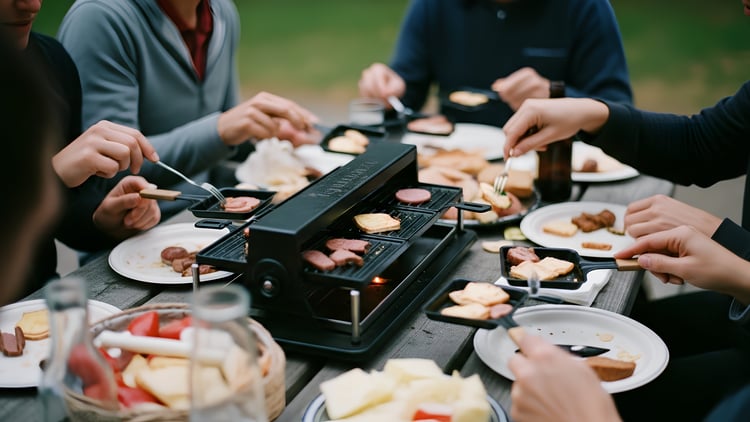
Here's the truth: gourmet cooking worthy of prizes doesn't have to happen in a standard kitchen. You can absolutely enjoy amazing food on the road without being exhausted by the end of it. The secret isn't more space or a bigger budget—it's choosing the right RV kitchen gear that works as hard as you do. If you're still figuring out what belongs in your rig before you buy, our first time RV living guide covers what actually surprises people once they're on the road.
These 6 appliances pack serious cooking power without necessarily draining your batteries or hogging precious counter space. Whether you prefer electric convenience, propane power, or the smoky flavor of charcoal, we've got you covered no matter your cooking style.
These aren't just gadgets — they're game-changers that will make you wonder how you ever cooked without them.
Best RV Grill: Blackstone Griddle Revolutionizes Outdoor Cooking
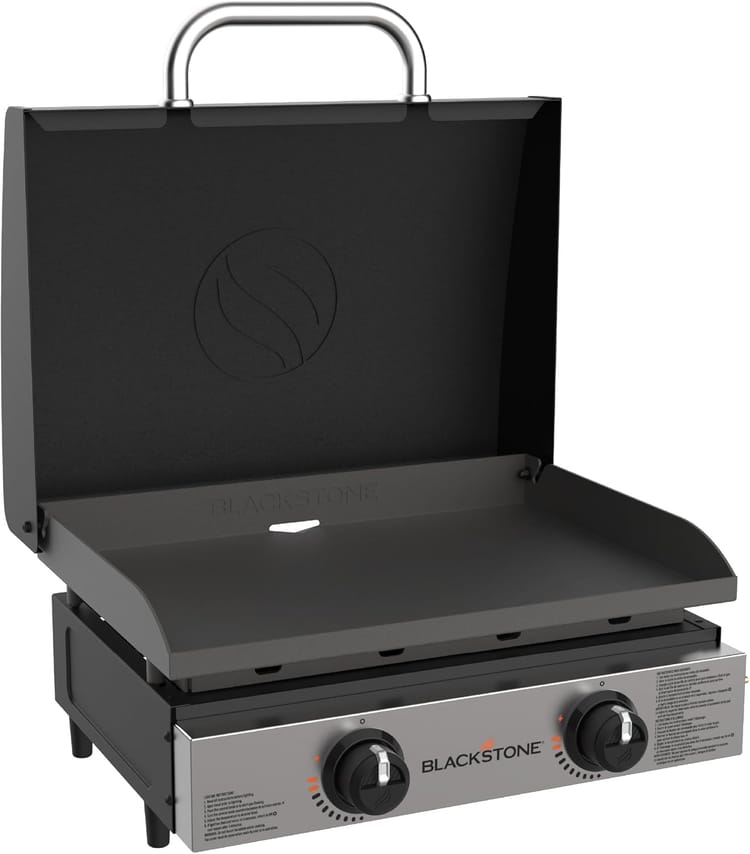
The Blackstone griddle has become the unofficial mascot of RV cooking, and for good reason. Unlike traditional grills where half your food falls through the grates, the Blackstone's flat-top design gives you complete control over every inch of cooking surface.
The best RV-ready models come with quick-connect propane fittings and foldable legs. Look for around 360 square inches of cooking surface with two independently controlled heat zones, letting you simultaneously cook bacon on high heat while keeping scrambled eggs warm on low.
What makes this the ultimate RV cooking upgrade? You can cook an entire breakfast for four people in under 15 minutes: bacon, eggs, hash browns, and even pancakes — all at the same time. The even heat distribution means no more hot spots or unevenly cooked food that plagued your old camp stove. A solid silicone cooking utensil set is worth adding alongside it — the non-scratch tools hold up better on a flat-top surface than metal ones do, and they store flat in a drawer.
Pro tip: Season your griddle at home before your first trip. The process takes about an hour but ensures a perfect non-stick surface from day one.
Instant Pot Dominates Small RV Kitchens
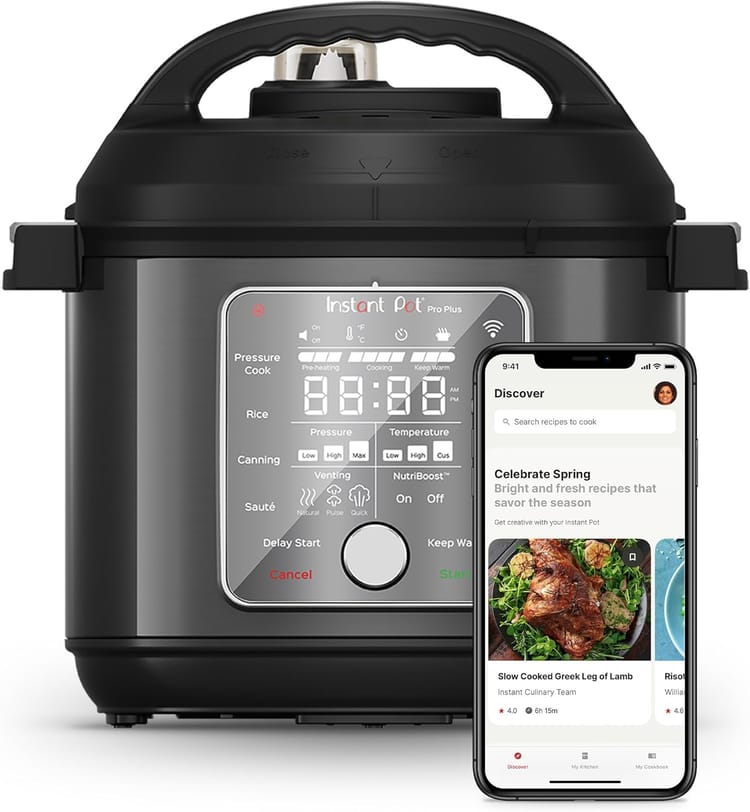
The Instant Pot earned its place as essential RV kitchen gear by doing the work of six appliances in one compact unit. This electric pressure cooker eliminates the need for separate slow cookers, rice cookers, and steamers, saving precious cabinet space. Our guide to RV kitchen essentials covers the full picture of what belongs in a well-equipped rig kitchen — the Instant Pot shows up there too.
For full-timers, the 6-quart model strikes the perfect balance between capacity and power consumption. It draws about 1000 watts — manageable for most RV electrical systems, especially when running on shore power or a decent inverter setup. If you're not sure how your electrical system handles high-draw appliances, our piece on RV shore power hookup mistakes is worth reading before you plug in.
The real magic happens with meal prep. Throw in chicken, vegetables, and seasoning in the morning, set it for four to six hours on slow cook mode, and return to a perfectly cooked dinner. The pressure cook function can turn tough cuts of meat tender in 30 minutes, while the sauté function handles everything from browning meat to making pan sauces.
Bonus: The sealed cooking method means no lingering food odors in your RV — a huge win in small spaces.
Sous Vide in RV: Restaurant-Quality Precision Cooking
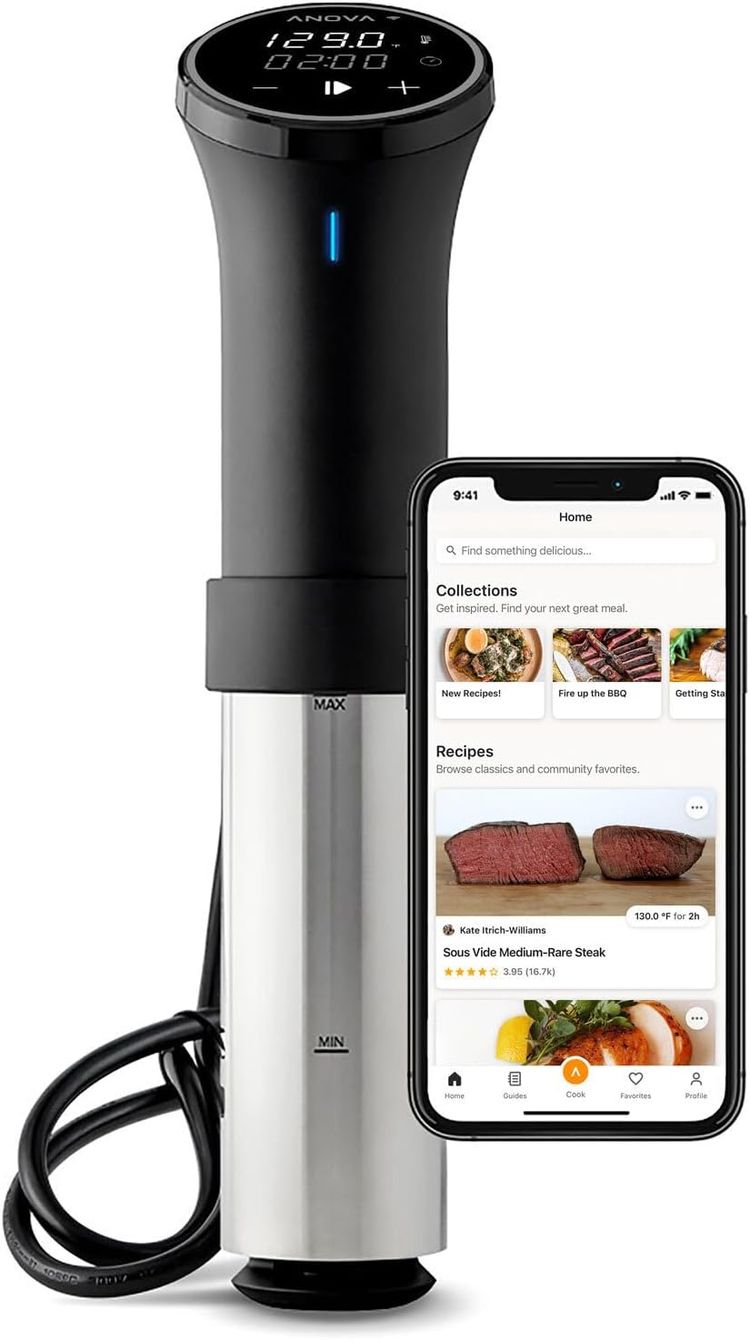
Sous vide might sound fancy, but it's actually perfect for RV life. These precision cookers use low power (around 800–1000 watts) and deliver consistently perfect results with minimal supervision.
Look for precision cookers that clip onto any pot or container you already own. Most draw around 800–1000 watts and let you set your desired temperature, drop in vacuum-sealed food, and walk away. The gentle cooking method makes tough cuts incredibly tender while keeping delicate items like fish and vegetables at their peak.
For RVers, sous vide solves the problem of cooking for one or two people. Seal individual portions, cook multiple servings at once, then quickly sear on your Blackstone for that perfect finish. The sealed bags also mean extended storage — perfect for batch cooking when you have hookups.
RV Instant Pot recipes pair perfectly with sous vide: use the Instant Pot to quickly steam vegetables while your protein finishes in the sous vide bath.
Cooking on the road is half gear, half know-how. Subscribe to our weekly newsletter.
REAL TIPS. REAL ROADS. EVERY WEDNESDAY, FREE.
Raclette Grill Ideas: Interactive Dining in Tiny Spaces
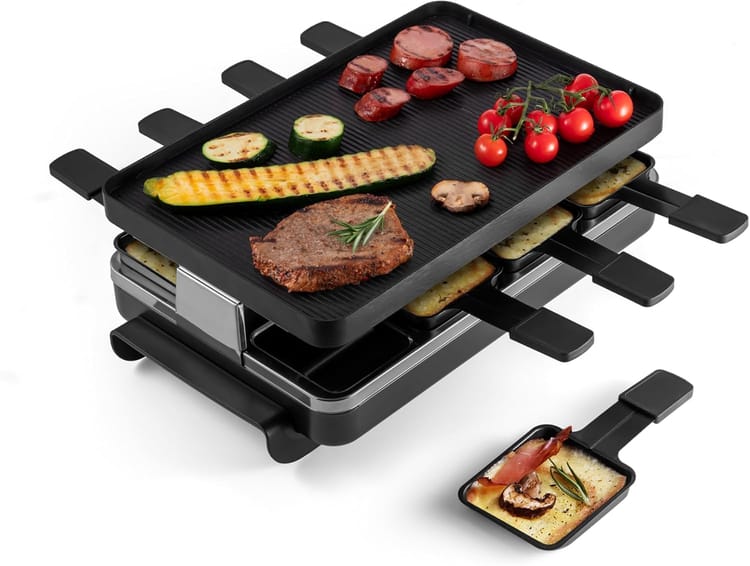
The raclette grill transforms mealtime into an experience — perfect for those long evenings when you're boondocking and need entertainment beyond streaming. These compact grills feature a heating element on top for grilling meats and vegetables, plus individual pans underneath for melting cheese.
Modern raclette grills are surprisingly compact, taking up about the same counter space as a large toaster. The social aspect makes them perfect for RV life: everyone gathers around, grills their own food, and shares stories from the road. If you're spending more nights off-grid, our complete guide to boondocking without hookups walks through everything you need to make those longer stays work — power management included.
Use it for breakfast (grilled ham and eggs with melted cheese), lunch (grilled vegetables with various melted cheeses), or dinner (traditional raclette with potatoes, pickles, and charcuterie). The versatility makes it worth the storage space.
Small Portable Meat Smoker: Low and Slow Perfection
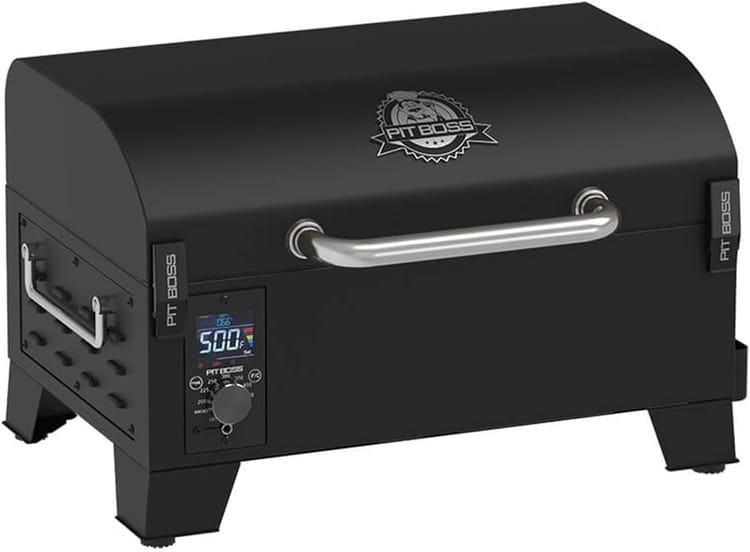
Nothing beats the flavor of properly smoked meat, and portable pellet smokers now offer restaurant-quality barbecue wherever your travels take you. These compact units fold down for storage but deliver the same slow-cooking results as full-size smokers.
Modern portable smokers offer around 300 square inches of cooking area with features like meat probes, folding legs with wheels, and auto start-up systems. The real magic happens during those long afternoon sessions when you're boondocking — set your brisket or pork shoulder in the morning and let the smoker work while you explore.
Pellet smokers can run on 12V power for the auger and fan, making them perfect for off-grid cooking. Table top wood pellet smokers burn clean and provide consistent temperature control, something nearly impossible with traditional charcoal or wood smokers. Some even come as multi-purpose appliances that act as a smoker, air fryer, and oven to pull triple duty. Electric portable smokers are great for full hookup sites.
The social aspect can't be ignored either. Nothing draws fellow RVers to your campsite like the smell of slow-smoked barbecue. You'll make friends and probably get invited to share meals at other sites. A set of magnetic spice tins mounted inside a cabinet keeps your rubs and seasonings accessible without burning counter space — particularly useful when you're running a smoker and need both hands free for prep.
Tabletop Charcoal Grill: Pure Fire Flavor
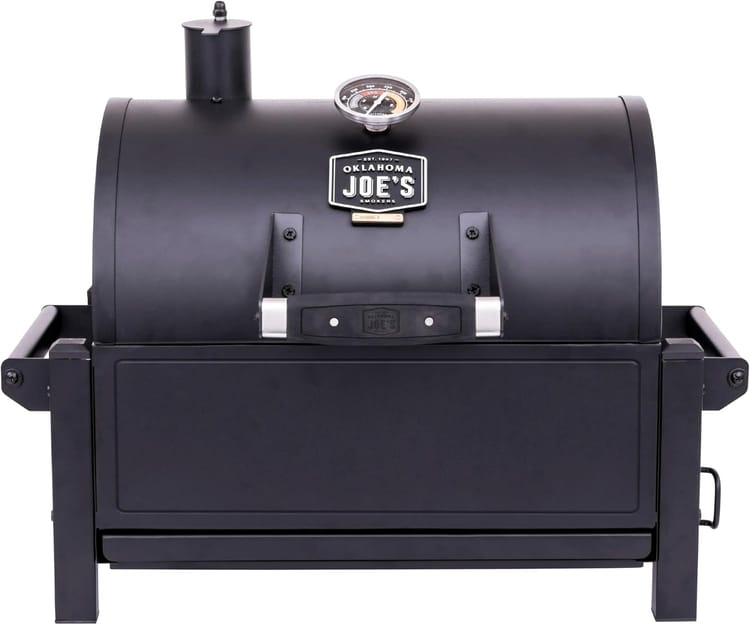
For purists who want that authentic charcoal flavor without the bulk of a full-size grill, compact tabletop charcoal grills deliver serious results. These units fold flat for storage but provide enough cooking surface for two to four people.
The key advantage over gas alternatives is flavor — nothing matches the taste that charcoal imparts to food. Modern designs include adjustable grates for heat control and removable ash pans for easy cleanup. Keeping your grill clean and your gear in good condition is part of what our RV maintenance checklist addresses for outdoor equipment, especially before and after long trips.
Look for models with hinged grates that let you add charcoal without removing food, and air vents that provide precise temperature control. The compact size means faster heating and less charcoal consumption compared to full-size grills.
Pro tip: Use lump charcoal instead of briquettes. It burns hotter, cleaner, and takes up less storage space.
Mini Tabletop Fire Pit: S'mores Without the Commitment
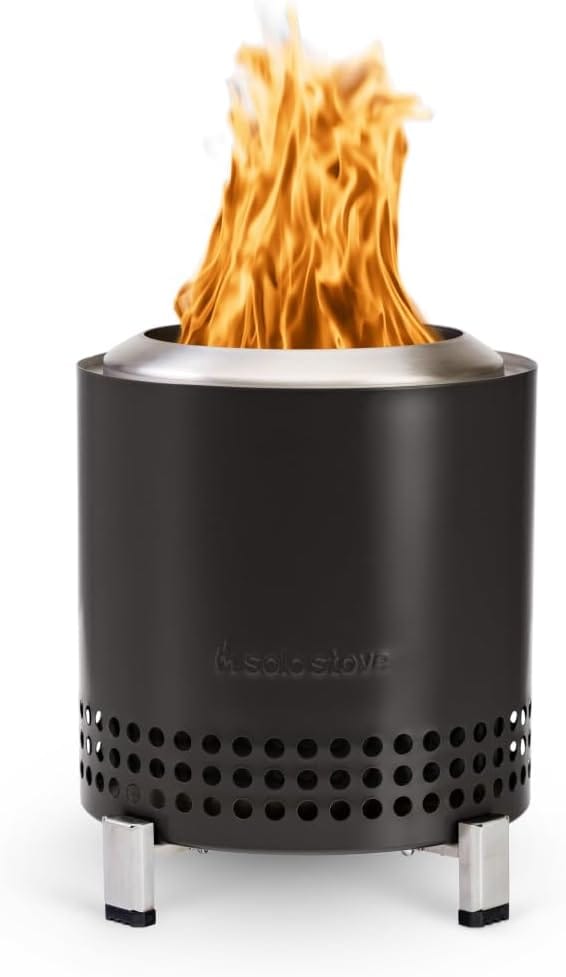
Sometimes you want the ambiance and taste of fire-cooked food without building a full campfire. Mini tabletop fire pits can burn wood, pellets, charcoal, or liquid fuel, making them incredibly versatile. Many come with extending marshmallow roasting sticks for instant s'mores gratification.
These portable units are perfect when you're at campsites that don't allow fires or when you want the fire experience without the setup and cleanup of a traditional campfire. The contained flame provides ambiance while keeping things manageable in tight RV spaces. After cleanup, a collapsible dish drying rack handles the post-s'mores skewer situation without taking up permanent counter real estate.
Use them for roasting marshmallows, warming hands on chilly evenings, or adding atmosphere to outdoor dinner conversations. Some models even work indoors with proper ventilation, extending the cozy factor to rainy nights.
The fuel flexibility means you can use whatever's available — wood scraps, leftover charcoal from your grill, or specialized fuel tablets. It's the Swiss Army knife of fire experiences.
The biggest challenge with RV kitchen gear isn't space — it's power management and fuel logistics. Here's how to manage multiple appliances and cooking methods.
Electric appliances: Never run multiple high-draw appliances simultaneously. Your Instant Pot and sous vide together might work, but add anything else and you'll trip breakers. Understanding your system starts with knowing your battery situation — our breakdown of why RV batteries keep dying explains what's actually happening when the power cuts out mid-cook.
Propane management: Keep track of tank levels when running multiple propane appliances. A Blackstone and portable smoker can drain a 20-pound tank faster than expected.
Charcoal storage: Store charcoal in waterproof containers. Wet charcoal is useless charcoal, and quality lump charcoal can be expensive to replace on the road.
Fuel flexibility: Having appliances that run on different fuel sources (electric, propane, charcoal, wood) means you're never stuck without cooking options, regardless of your power situation or supply availability. If you're leaning toward more off-grid cooking, our RV solar setup guide covers how to size your system for the appliances you're running — including what you can realistically power without shore hookups.
The Bottom Line: Cooking Freedom on the Road
These six appliances work together to create a cooking system that's actually more versatile than most apartment kitchens. The Blackstone handles outdoor cooking and high-heat searing, the Instant Pot manages one-pot meals and meal prep, sous vide delivers precision results, the raclette grill provides entertainment, the portable smoker creates weekend barbecue experiences, and the fire pit adds ambiance while roasting the perfect marshmallow.
Whether you prefer the convenience of electric appliances, the power of propane, or the flavor of charcoal and wood, this arsenal covers every cooking style and craving. Yes, you'll need to manage power consumption, fuel supplies, and storage space. But the payoff — restaurant-quality meals, authentic flavors, faster cooking times, and the ability to entertain guests — makes every square inch and BTU worthwhile. The cooking side of RV life connects directly to the broader wellness picture too; our guide to RV healthy living covers how to keep food, fitness, and energy in sync when you're moving between climates and time zones.
The best part? You'll never again find yourself eating sad sandwiches just because you're "camping." With the right RV kitchen gear, every meal becomes an opportunity to create something memorable, whether you're parked at a stunning overlook or tucked into a Walmart parking lot.
FAQs
What are the best RV kitchen appliances for small spaces?
The most space-efficient RV kitchen appliances are multi-function units that replace several single-purpose tools. An electric pressure cooker can act as a slow cooker, rice cooker, sauté pan, and steamer in one footprint. A flat-top griddle handles breakfast, lunch, and dinner without needing multiple burners. The key is choosing appliances that either fold flat for storage or serve more than one purpose — ideally both.
How do I manage power when running electric kitchen appliances in an RV?
The most important rule is to never run two high-draw appliances at the same time. An electric pressure cooker and a sous vide circulator draw roughly 800–1000 watts each — running both simultaneously, plus any other load, will trip most RV breakers. When on shore power, stagger your cooking. When on battery and solar, reserve high-draw cooking for midday when solar input is highest and plan your meals around those windows.
Can you use a Blackstone griddle inside an RV?
No. The Blackstone griddle runs on propane and produces carbon monoxide, which makes it strictly an outdoor appliance. It should only be used in open-air settings with adequate ventilation — never inside the RV, in an awning enclosure, or in any partially enclosed space. The same rule applies to any propane-powered cooking equipment.
Is sous vide practical for RV cooking?
Yes, and it's particularly well-suited to RV life because it requires minimal attention once started. A sous vide circulator draws around 800–1000 watts but only runs intermittently to maintain temperature, so it doesn't pull continuously like a pressure cooker. Batch cooking works well with sous vide — cook several sealed portions at once, refrigerate what you don't use immediately, and sear individual servings as needed throughout the week.
What should I look for in a portable smoker for RV travel?
Look for compact footprint, folding or removable legs, and a pellet or electric fuel source rather than traditional charcoal — pellets provide consistent temperature control and require less babysitting. A built-in meat probe is worth having so you can monitor internal temperature without opening the lid. Pellet smokers can run their auger and fan on 12V power, which makes them genuinely viable for off-grid use as long as your battery bank can support the draw.
How do I store grilling and cooking gear in an RV without taking up too much space?
Flat packing is the priority. Tabletop grills and fire pits with folding legs compress significantly for storage. Collapsible utensils, nesting bowls, and magnetic storage systems mounted inside cabinet doors recover a surprising amount of space. Dedicate one storage bin or compartment specifically to outdoor cooking gear so setup and breakdown at each site takes minutes rather than a full rummage through multiple cabinets.
Can I use a raclette grill when boondocking without hookups?
Yes, with some planning. Most raclette grills draw between 600 and 1200 watts, which is manageable on a well-sized battery-and-inverter setup — but they typically run for 30 to 45 minutes during a meal, which adds up. If your battery bank is on the smaller side, save raclette nights for hookup sites or run it when your solar has had a full charging day. It's one of the lower-draw communal cooking options compared to an air fryer or electric griddle.

Categories
Related Posts

Subscribe to the Swervia Newsletter
The best RV stories, tips, and destinations—expertly curated and always free.