Your Kids' Classroom Just Got Wheels: The Ultimate Roadschooling Guide That's Actually Doable
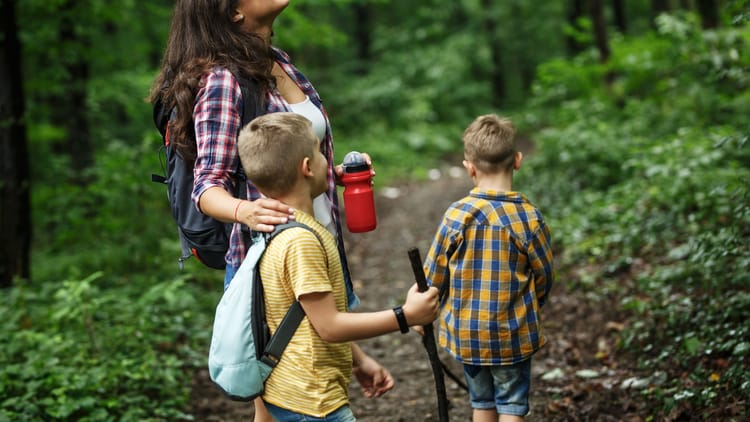
What if your kids could learn geography by crossing state lines, study history by visiting actual battlefields, and understand ecology by camping in national parks? Welcome to roadschooling — the educational adventure that's making traditional classrooms feel, well, pretty boring.
Roadschooling is a way of homeschooling that utilizes the unique benefits of traveling in a child's education, and it's becoming the go-to choice for full-time RV families who refuse to choose between adventure and academics. Whether you're planning a year-long journey or considering the full-timer lifestyle, this guide breaks down everything you need to know about turning your RV into a mobile classroom that actually works. If you're still figuring out whether full-time RV life makes financial sense for your family, our breakdown of how much full-time RV living actually costs gives you the honest numbers before you commit.
What Makes Roadschooling Different From Regular Homeschooling
Let's get real — roadschooling isn't just homeschooling with a better view (though that's definitely a perk). Roadschooling is a combination of traditional homeschool curriculum and learning through travel and life experiences. It's about creating educational opportunities that simply can't happen in a traditional classroom.
Think about it: where else can your kid study marine biology at tide pools in Oregon, learn about the Civil War while walking through Gettysburg, and practice Spanish with locals in New Mexico — all in the same month? Museums, historical sites, and nature itself become part of your child's classroom.
The beauty of roadschooling lies in its flexibility. Your curriculum adapts to your route, your kids' interests, and real-world learning opportunities. Some weeks you might focus heavily on structured lessons while traveling long distances. Other weeks, you'll spend days exploring national parks where every hike becomes a geology lesson.
The Legal Stuff You Actually Need to Know
Before you start planning your cross-country educational adventure, let's tackle the legal requirements. Good news: roadschooling is completely legal, but you do need to follow some rules — and they vary dramatically by state.
Leaving the School System and Starting Homeschool
First, you need to legally withdraw your child from their current school. This process varies by state, but generally involves:
Written Notice: Submit a formal withdrawal letter to your child's current school. Keep copies of everything.
Letter of Intent: Most states require you to notify your state or local education department of your intent to homeschool. This usually includes basic information about your child and your educational plans.
Waiting Periods: Some states have mandatory waiting periods between withdrawal and starting homeschool. Plan accordingly.
Choose Your Domicile Wisely
Not all states treat homeschooling equally. Massachusetts, New York, Pennsylvania, Rhode Island, and Vermont have the most restrictive homeschool laws, while Alaska, Idaho, Illinois, Indiana, Michigan, Missouri, New Jersey, Oklahoma, and Texas have the least amount of regulations.
Low-Regulation States: Texas, Florida, and South Dakota are popular choices for RV families due to their minimal homeschool requirements and RV-friendly domicile laws. These states typically require only basic record-keeping and no state testing.
High-Regulation States: If you're currently domiciled in a stricter state, understand what you're signing up for:
- New York: Requires submitting a letter of intent by July 1st and an Individualized Home Instruction Plan (IHIP), plus quarterly reports detailing your child's educational progress
- California: Requires filing an annual affidavit and following specific educational guidelines
- Pennsylvania: Requires annual portfolios, evaluations, and standardized testing in certain grades
Parent Qualifications: Most states don't require teaching credentials for homeschooling parents, but some do have education requirements. For example, some states require parents to have a high school diploma or equivalent.
Homeschool Legal Resources
Several organizations provide legal guidance and support for homeschooling families, with different approaches and affiliations:
Religious-Affiliated Resources: The Home School Legal Defense Association (HSLDA) offers comprehensive legal information and advocacy, primarily serving conservative Christian homeschooling families. They provide state-by-state legal guides and legal defense services.
Secular Resources: The Coalition for Responsible Home Education (CRHE) is a nonprofit organization founded by homeschool alumni that provides evidence-based resources and policy advocacy without religious affiliation. They focus on protecting the interests of homeschooled children through research and legal advocacy.
General Resources: Your state's Department of Education website typically provides official homeschool requirements and forms, regardless of your family's religious or philosophical approach to education.
Curriculum and Grade Level Requirements
Many states specify required subjects and minimum hours of instruction:
Core Subjects: Most states require math, language arts, science, and social studies. Some add specific requirements like health, physical education, or state history.
Grade-Level Standards: While homeschool families have flexibility in how they teach, some states require that education be "equivalent" to public school grade levels. Document how your roadschooling approach meets these standards.
Record Keeping: Keep detailed records of attendance (most states require 180 days of instruction), curriculum used and topics covered, samples of your child's work, and any testing or evaluations completed.
Returning to Traditional School
Planning to re-enter public or private school eventually? Consider:
Transcripts: Keep detailed records that can be converted into official transcripts. Some states provide guidance on homeschool transcript requirements.
Grade Placement: Schools may require testing or evaluation to determine appropriate grade placement for formerly homeschooled students.
Diploma Requirements: Research your state's requirements for homeschool diplomas if your child will graduate while roadschooling.
Your RV is already a classroom. Subscribe to our weekly newsletter.
FAMILY RV TIPS, ROADSCHOOLING RESOURCES, AND FULL-TIMER INTEL — EVERY WEDNESDAY, FREE.
Building Your Mobile Curriculum That Actually Works
Here's where roadschooling gets fun — and where many families overthink it. The key is finding the sweet spot between structure and flexibility.
Start With Your Core Subjects: Math, language arts, science, and social studies form your foundation. Choose curricula that work well on the road:
- Online Programs: These are gold for roadschooling families. Programs like Khan Academy offer free, comprehensive courses that work with any internet connection.
- All-in-One Curricula: Consider programs like Time4Learning or Outschool that provide complete grade-level education online.
- Workbooks and Textbooks: Don't overlook traditional materials. They work without internet and give kids a break from screens.
Layer in Location-Based Learning: This is where roadschooling shines. Washington, D.C. is absolutely perfect for road schoolers — not only is the place home to some amazing lessons in government and American history, but you'll find countless opportunities to bring textbook lessons to life. Our guide to top national parks for RV camping in the west is a useful planning resource for mapping out science and geology units around your route.
Plan your route around educational opportunities. Studying the Oregon Trail? Actually travel parts of it. Learning about geology? Time your visit to Yellowstone or the Grand Canyon accordingly. The country becomes your curriculum supplement.
Creating Routines That Work in 200 Square Feet
Let's talk about the practical stuff — how do you actually make this work in your RV? The secret is creating flexible routines that adapt to your travel schedule.
Morning Routines: Start with the basics. Many roadschooling families do formal lessons in the morning when kids are fresh and before the day's adventures begin. Set up a designated learning space that can be quickly converted back to living space. A portable lap desk gives kids a dedicated workspace that doesn't require claiming the dinette for hours.
Travel Day Education: Long driving days don't mean education stops. Audiobooks, podcasts, and educational games make miles fly by. Have kids track your route on maps, calculate distances, and learn about the geography you're crossing.
Location-Based Learning Blocks: When you're somewhere educational, lean into it. Spend a week really exploring an area, using it as your classroom. Many online resources are available as well as pre-made homeschool packages designed specifically for roadschooling.
Flexible Scheduling: Some days you'll do four hours of formal lessons. Other days, a two-hour nature hike might cover science, geography, and physical education. The key is being intentional about what counts as learning.
Tech Setup for Seamless Learning
Your mobile classroom needs reliable tech, but don't overcomplicate it. Here's what actually matters:
Internet Connection: This is non-negotiable for most roadschooling families. Invest in a good cellular booster and have multiple data plans. Many families use Starlink for reliable internet in remote areas. For a broader look at connectivity options and how full-timers stay online, our guide on the best RV internet for remote work covers the same gear that keeps schoolwork running smoothly on the road.
Devices: Tablets work great for younger kids. Laptops are better for older students who need to type papers and do research. Have backup chargers and power solutions. A high-capacity portable power bank keeps devices charged through long driving days and remote camp stays without depending on shore power.
Educational Apps: Download educational content for offline use. Apps like Duolingo for language learning and NASA App for science work great on the road.
Real Talk: The Challenges Nobody Mentions
Roadschooling isn't all Instagram-worthy moments of kids learning by waterfalls. Let's be honest about the challenges:
Space Constraints: Teaching fractions while someone's making lunch in the same 200-square-foot space tests everyone's patience. Create clear boundaries and expect some chaos. Our piece on the first-time RV living reality no one warns you about covers exactly this kind of adjustment head-on.
Inconsistent Internet: Your perfectly planned online lesson will fail exactly when you need it most. Always have offline backup activities.
Parent Burnout: You're simultaneously the teacher, travel coordinator, RV maintenance crew, and parent. Managing lesson plans while navigating unfamiliar roads and dealing with RV issues can be mentally and physically exhausting. Build rest days into your schedule and don't expect perfection.
Motivation Fluctuations: Some days your kids will be excited to learn about local history. Other days they'll complain that their friends back home don't have to do school at the beach. This is normal.
Special Needs Considerations: Roadschooling may not suit all learning styles or disabilities without additional support. If your child has special educational needs, research resources like the National Association for Child Development for developmental support strategies, or Understood for learning and attention issues. Some children thrive with the flexibility and hands-on learning opportunities, while others need more structured environments.
Social Concerns: While roadschooled kids often have diverse social experiences, some may miss the consistency of long-term friendships. The constant hellos and goodbyes can be emotionally challenging. Many roadschooling families connect through groups like Fulltime Families to meet other traveling families and maintain connections through technology.
Making It Financially Sustainable
Roadschooling can be cost-effective, but it requires planning. Living full-time in an RV can be cost-effective, especially when you factor in the money saved on housing, but education expenses still exist.
Budget for Curriculum: Quality online programs typically cost $20-50 per month per child. Factor this into your travel budget.
Leverage Free Resources: National parks, state parks, and many museums offer free educational programs. Plan your route around these opportunities.
Technology Costs: Budget for reliable internet — it's not optional for most roadschooling families. Expect to spend $100-200 monthly on connectivity.
Building Community on the Road
One of the biggest concerns parents have about roadschooling is socialization. The truth? Roadschooled kids often have more diverse social experiences than their traditionally-schooled peers, though some may miss the consistency of long-term friendships.
The Friendship Factor: Let's be real — constantly moving means constantly saying goodbye. Some kids thrive on meeting new people everywhere they go, while others struggle with the lack of sustained friendships. Use technology to maintain connections, and consider staying longer in places where your kids form strong bonds.
Connect with Other Families: Join online communities like Families on the Road to connect with other roadschooling families. Many coordinate meetups and group activities. These connections can provide both social opportunities for kids and moral support for parents.
Local Activities: Sign up for local sports leagues, art classes, or music lessons in areas where you'll be staying longer. Most programs welcome short-term participants.
Volunteer Opportunities: Many destinations offer family volunteer opportunities that provide social interaction while teaching valuable life skills.
Sample Roadschool Schedule That Actually Works
Here's what a typical week might look like for a roadschooling family:
Monday: Travel day from Colorado to Utah. Listen to audiobooks about geology, track route on maps, calculate driving time and distances.
Tuesday–Thursday: Settled at Arches National Park. Morning formal lessons (math, language arts), afternoon hikes with nature journaling, evening reading about desert ecosystems.
Friday: Visit local visitor center and attend ranger program. Work on science projects related to rock formations.
Weekend: Free time, family activities, catch up on any missed assignments.
The key is maintaining consistency in core subjects while being flexible enough to take advantage of location-based learning opportunities. When you pull into a new site, having a reliable RV setup checklist makes the transition from travel mode to school mode faster — less time leveling and connecting means more time learning.
Getting Started: Your First 30 Days
Ready to begin your roadschooling journey? Here's your month-one action plan:
Week 1: Research your domicile state's homeschool laws and get legally compliant. Choose your basic curriculum for core subjects.
Week 2: Set up your mobile classroom space and technology. Test internet solutions and download offline educational content.
Week 3: Plan your first educational route. Choose destinations that complement what your kids are learning.
Week 4: Start your routine. Begin with shorter learning blocks and gradually increase as everyone adjusts.
The Bottom Line: Is Roadschooling Right for Your Family?
Roadschooling isn't for everyone, and that's perfectly okay. It requires flexibility, creativity, and a willingness to embrace controlled chaos. But for families who want to give their kids an education that goes beyond textbooks, it's pretty incredible.
Your kids will learn to adapt to new situations, think critically about the world around them, and see learning as an adventure rather than a chore. They'll have stories that start with "Remember when we studied marine biology while camping on the coast of Maine?" instead of "Remember that Tuesday in third grade?" If you're still in the research phase and wondering whether the lifestyle itself is right for your family, our look at why RV travel is surging puts the moment in context — a lot of families are asking the same questions right now.
FAQs
What is roadschooling?
Roadschooling is a form of homeschooling that integrates travel and real-world experiences into a child's education. Rather than following a traditional school structure tied to a fixed location, roadschooling families use their travel routes, destinations, and daily experiences as active parts of the curriculum. It differs from standard homeschooling in that the physical environment changes continuously, making location-based learning — visiting historical sites, national parks, museums, and communities across the country — a core component rather than an occasional supplement.
Is roadschooling legal?
Yes, roadschooling is legal in all 50 states. Because roadschooling operates under homeschool law, families must comply with the homeschool regulations of their domicile state — the state where they are legally registered as residents. Requirements vary significantly: states like Texas, Florida, and South Dakota have minimal requirements, while states like New York and Pennsylvania require annual plans, quarterly reports, and portfolio evaluations. Families should research their domicile state's specific laws before withdrawing children from traditional school.
What domicile state is best for roadschooling families?
Texas, South Dakota, and Florida are the most popular domicile choices for full-time RV families who roadschool, due to their combination of minimal homeschool regulations, no state income tax, and established infrastructure for RV residents to establish legal domicile. Each state has different processes for establishing residency, obtaining a driver's license, and registering vehicles. Many full-timing families use mail forwarding services based in these states to maintain a legal address.
How do I structure a roadschooling curriculum?
Most roadschooling families use a hybrid approach: a structured online or workbook-based program for core subjects (math, language arts, science, social studies), supplemented by location-based learning tied to their travel route. Online programs like Khan Academy, Time4Learning, and Outschool provide grade-level curriculum that works anywhere with internet access. Families then layer in destination-specific learning — ranger programs at national parks, museum visits, historical site tours — as it aligns with what kids are studying. The ratio of structured to experiential learning varies by family, child age, and travel pace.
How do roadschooled kids socialize?
Socialization for roadschooled kids happens through a combination of organized groups, local activities, and online connections. Many families connect with other traveling families through organizations like Fulltime Families, which coordinates meetups and group campouts. Enrolling kids in local sports leagues, art classes, or music lessons during extended stays provides consistent peer interaction. Maintaining friendships from previous locations through video calls and social media is also common. Kids who roadschool typically develop strong social adaptability from meeting new people regularly, though some miss the consistency of long-term friendships.
How much does roadschooling cost?
Curriculum costs for roadschooling typically run $20–50 per month per child for quality online programs, though free resources like Khan Academy can significantly reduce this. Reliable internet — essential for most online curricula — costs $100–200 per month depending on the solution. The largest variable is whether the family leverages free educational resources along their route: national parks, state parks, and many museums offer free programs and ranger-led education that can offset paid curriculum costs substantially. Total educational expenses are generally lower than private schooling but require intentional budgeting as part of the overall full-time RV budget.
What happens if we want to return to traditional school?
Re-entry to traditional school after roadschooling is manageable with good record-keeping throughout. Schools typically assess returning students through placement testing or portfolio review to determine appropriate grade level. Maintaining detailed attendance records (most states require documentation of 180 instructional days), curriculum logs, and work samples throughout your roadschooling period makes this process straightforward. Some states provide specific guidance on homeschool transcript formats; families planning eventual re-entry should research their target state's requirements early and keep records accordingly.