All Electric RV Trailers: What They Are, How They Work, and Whether One Is Right for You
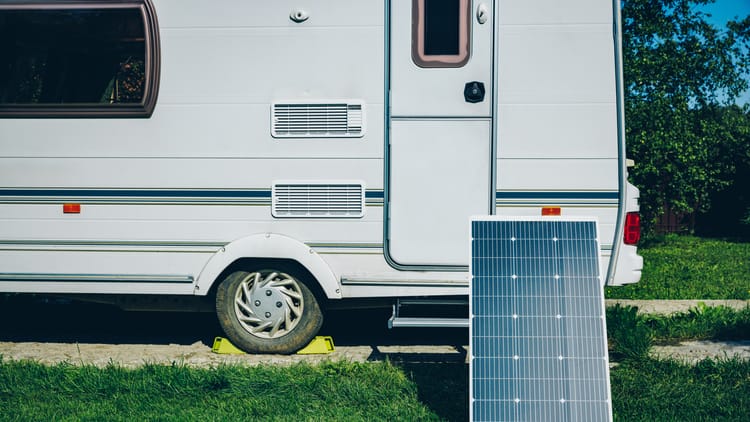
If you've been shopping for a travel trailer lately, you've probably noticed something different about a handful of models on the lot: no propane tanks, no gas lines, no pilot lights. Just a plug and a promise.
All electric RV trailers are no longer a fringe experiment. They're showing up at mainstream dealerships, at every price point, and from manufacturers you've probably already heard of. The RV industry is moving away from propane-dependent systems, and that shift is happening faster than most casual buyers realize.
This isn't a story about which model to buy. Models change, prices shift, and what's available today may look different by the time you're ready to buy. What doesn't change is how these trailers work, what questions to ask before you commit, and whether this technology actually fits the way you camp. That's what this guide is for.
What "All Electric" Actually Means in an RV Trailer
The phrase gets used loosely, so let's be clear about what it means when it counts.
A traditional travel trailer runs on a combination of electricity and propane. Your furnace burns propane. Your water heater burns propane. Your stovetop uses a propane flame. Even your refrigerator, in many older rigs, can switch between electric and propane modes depending on whether you're plugged in. This dual-fuel setup has been standard in the industry for decades.
An all electric RV trailer eliminates propane entirely. Every system in the rig, including heating, cooking, water heating, and refrigeration, runs on electricity. That electricity can come from a campground hookup, an onboard battery bank, or a solar array on the roof. Some trailers combine all three.
It's worth noting that "all electric" in the trailer context does not mean the trailer drives itself. These are still tow-behind units. The "electric" refers to how the systems inside the trailer are powered, not how the trailer moves. A separate category of self-propelled electric trailers does exist at the high end of the market, but those are a different conversation entirely.
Why Manufacturers Are Building Them Now
The shift away from propane in RVs has been building for years, driven by a few converging forces.
One is cost and supply. The two-way absorption refrigerators that many RVs relied on require components that have become increasingly difficult to source. When supply dried up, manufacturers started switching to residential-style 12-volt compressor fridges that run entirely on electricity, which turned out to work better anyway.
Another is safety. Propane systems require annual inspections, carry risk of leaks, and add complexity that many newer RVers find stressful to manage. An all-electric layout simplifies the whole picture and removes a source of anxiety that tends to follow first-time buyers around the campground.
There's also the buyer demographic shift. Industry data from the RV Industry Association shows the median age of first-time RV buyers has dropped significantly in recent years. These buyers tend to be more comfortable with technology, more interested in sustainability, and less attached to the propane tradition. Manufacturers building for this audience have an incentive to rethink the default. For a broader look at what's fueling this wave of new buyers, our breakdown of why RV travel is surging right now puts the numbers in context.
The Real Advantages of Going Propane-Free
Simpler Maintenance
Without a propane system, there's no regulator to inspect, no gas lines to check for leaks, and no pilot lights to relight on a cold morning when your coffee is in question. The maintenance footprint of an all-electric trailer is meaningfully smaller than its propane-equipped equivalent — though staying ahead of routine RV maintenance still matters regardless of how your rig is powered.
Quieter Operation
Propane furnaces are loud. They cycle on and off throughout the night with a whomp and a hum that light sleepers notice immediately. Electric heat pump systems and mini-split units run much more quietly. If you've ever been woken up at 3 a.m. by your furnace kicking on, you'll appreciate this.
No More Propane Runs
Running out of propane mid-trip is a rite of passage for new RVers and a persistent annoyance for experienced ones. With an all-electric setup, that specific problem goes away. You're not hunting for a propane fill station in an unfamiliar town because your tank ran dry the morning you wanted to make breakfast.
Induction Cooking Is Actually Good
One of the most common concerns about going electric is the cooktop. RVers who love to cook tend to be attached to gas flames. But modern induction cooktops heat faster, maintain more precise temperatures, and are easier to clean than propane burners. The adjustment period is short, and most people come out the other side preferring it.
Buying decisions like this are easier with the right intel each week. Subscribe to our weekly newsletter.
SMARTER RIGS, BETTER TRIPS, ZERO GUESSWORK — EVERY WEDNESDAY, FREE.
The Limitations You Should Know Before You Buy
You Are Still Dependent on Power
The core trade with an all-electric trailer is that you've replaced dependence on propane with dependence on electricity. When you're plugged in at a campground with full hookups, everything works exactly as you'd expect — though it's worth knowing the shore power hookup mistakes that can damage your RV before your first night plugged in. Having a quality RV surge protector inline with your shore power connection is one of the simplest ways to protect the electronics-heavy systems in an all-electric rig. The bigger question is what happens when you're not connected at all.
Off-grid capability in an all-electric trailer depends almost entirely on the quality and size of its battery system. A trailer with a small battery bank and no solar will drain quickly when running air conditioning, heating, or an electric water heater. Before buying any all-electric trailer, understand exactly what battery capacity it comes with and what you'll actually be able to run away from shore power, and for how long.
Cold Weather Camping Gets More Complicated
Propane furnaces are efficient in cold weather and can run for extended periods on a full tank without draining your battery. Electric heat options, including heat pumps and resistance heaters, draw significantly more power and may struggle to keep up in very cold temperatures depending on your battery setup. If you plan to camp in shoulder seasons or at elevation, this is worth investigating carefully for any specific model you're considering.
Entry-Level All-Electric Trailers Have Smaller Battery Banks
The most affordable all-electric trailers, which now start in the $15,000 to $25,000 range for compact models, typically include more modest battery systems. They're designed primarily for campgrounds with electrical hookups, and their off-grid capability is limited. Understanding why RV batteries drain faster than expected — and what actually draws power — will help you evaluate any model's battery specs before you buy. If you plan to supplement or upgrade your rig's storage, a lithium house battery in the 100Ah range is a common starting point for RVers who want meaningful off-grid runtime without a full system rebuild.
The Market Is Still Maturing
All-electric trailers from major manufacturers are a relatively recent development. The technology works, but the long-term reliability data that exists for propane-based systems built over decades doesn't yet exist for these rigs at the same scale. This isn't a reason to avoid them, but it is a reason to pay attention to warranty terms and dealer service networks when making a decision.
Two Different Markets Under One Label
One thing that can confuse buyers is that "all electric RV trailer" describes two very different categories of product at very different price points.
Mainstream All-Electric Travel Trailers
At the accessible end of the market, brands like Forest River, Keystone, and Cherokee have released all-electric travel trailers in the $15,000 to $30,000 range. These rigs replace propane appliances with electric equivalents — induction cooktops, electric water heaters, electric furnaces — and pair them with a battery system adequate for campground camping. They look and function like the travel trailers most families already know, just without the propane. If you're still deciding whether a travel trailer is the right RV format for you at all, our guide to choosing the right type of RV is worth reading before you get too far into comparing electric vs. propane.
Tech-Forward High-End Electric Trailers
At the premium end, a newer class of electric trailers from companies like Airstream and startups including Pebble and Bowlus are engineering purpose-built electric rigs with large lithium battery banks, integrated solar, and off-grid capability designed to last days without hookups. These trailers start at six figures and can exceed $300,000 for luxury configurations. The technology is impressive, but they represent a different buying decision entirely than a family travel trailer from a mainstream dealer. If you've ever wondered why the Airstream name commands such loyalty and premium pricing, our look at why Airstream trailers still have such a devoted following explains what's behind it.
Knowing which category you're shopping in matters, because the questions you need to ask before buying are very different in each case.
Questions to Ask Before You Buy an All Electric RV Trailer
Whether you're at a dealership or reading spec sheets online, these are the questions worth getting answered before you commit.
What Is the Total Battery Capacity, and in What Units Is It Measured?
Battery capacity is typically measured in kilowatt-hours (kWh). A trailer with 2 kWh of storage will behave very differently than one with 10 kWh. Ask the dealer to explain what you can realistically run for how long when you're off grid, and be specific: can it run the air conditioning overnight? Can it heat the trailer in 30-degree weather?
Is Solar Included, and What Is the Wattage?
Some all-electric trailers include rooftop solar as standard. Others offer it as an option. Others don't offer it at all. The wattage matters enormously: 100 watts of solar will barely maintain your battery, while 400 watts or more starts to meaningfully extend your off-grid range. For buyers who want a backup power option that doesn't depend on the trailer's built-in system, a portable solar generator can supplement your battery capacity at camp — useful for running smaller loads and keeping devices charged without drawing from your main bank. If you're evaluating solar as an upgrade or add-on, understanding how to build the right RV solar setup for your budget will help you ask smarter questions at the dealership.
What Does the Warranty Cover, and How Long Is It?
All-electric systems, particularly battery packs and inverters, should come with clear warranty terms. Ask specifically about the battery warranty, since these are the most expensive components to replace.
What Is the Dealer's Service Capability for Electric Systems?
A dealership that has primarily serviced propane-equipped trailers may not have technicians trained in electric systems. This isn't universal, but it's worth asking before you buy.
Does the Trailer Have Any Propane as a Backup?
Some trailers marketed as all-electric include a small propane tank as a backup for outdoor cooking or cold-weather heating. This is worth clarifying, especially if you were specifically looking to eliminate propane from the equation.
Who All Electric RV Trailers Are Actually Great For
All-electric trailers are a strong fit for a specific type of RVer, and a potentially frustrating purchase for another.
They work well for families and couples who camp primarily at established campgrounds with electrical hookups, want simpler maintenance and fewer systems to manage, are new to RVing and prefer not to deal with propane on top of everything else they're learning, and care about reducing their footprint without going to an extreme.
They require more planning for RVers who want to do meaningful off-grid or dry camping, camp frequently in cold weather without hookups, or are buying an entry-level all-electric model without investing in upgraded solar and battery storage. If boondocking is part of your plan, it's worth reading a complete breakdown of what camping without hookups actually requires before you finalize your decision.
Neither of these is a dealbreaker. It's a matter of understanding what you're buying before you're in a campsite two states from home realizing your water heater is draining your battery.
The Bigger Shift Happening in RV Manufacturing
The all-electric travel trailer is part of a broader industry trend away from propane dependency that's been accelerating for several years. The RV Industry Association has tracked steady growth in demand for electric-capable and propane-free configurations, and manufacturers across the price spectrum are responding. What was once a niche feature at a premium price is now appearing in entry-level models from mainstream brands.
That doesn't mean propane is disappearing from the industry tomorrow. Many experienced RVers have no interest in switching, and traditional dual-fuel trailers will be on lots for years to come. But if you're a first-time buyer or shopping for your next rig without nostalgia for the propane setup, the all-electric option is worth serious consideration, provided you understand what you're getting.
What to Do Before You Visit a Dealership
Before you walk onto a lot, spend some time thinking honestly about how you actually camp. The most useful framework isn't "is all-electric better?" but "does all-electric fit how I travel?". If you're mostly camping at KOAs and state parks with electrical hookups, an all-electric trailer is probably going to work just fine. If remote camping is part of your vision, you'll want to prioritize battery capacity and solar when you're evaluating models.
If you're weighing whether to buy at all versus renting first to test the lifestyle, our comparison of renting vs. buying an RV is worth a read before you commit to a purchase. And when you do decide to buy, understanding when dealers are most likely to negotiate on price can save you thousands on the same rig.
For anyone still in the early stages of figuring out what to buy at all, a step-by-step guide to buying your first RV can help you build the right framework before you start comparing electric vs. propane.
Either way, this is a good time to be buying into the electric side of the RV market. The technology has matured enough to be reliable, the price points have come down to accessible levels, and the selection is wider than it's ever been.
The road is changing. Understanding what's under the hood, or in this case, what's not, is how you make sure the change works in your favor.
FAQs
What is an all electric RV trailer?
An all electric RV trailer is a tow-behind travel trailer that runs all of its interior systems — heating, cooking, water heating, and refrigeration — on electricity rather than propane. The electricity can come from a campground shore power hookup, an onboard lithium battery bank, or a rooftop solar array. These trailers still require a separate tow vehicle and do not propel themselves.
How much do all electric RV trailers cost?
Entry-level all-electric travel trailers from mainstream brands like Forest River and Keystone start in the $15,000 to $25,000 range for compact models. Mid-tier all-electric trailers with larger battery systems typically fall in the $25,000 to $60,000 range. Purpose-built premium electric trailers from companies like Airstream, Pebble, and Bowlus start at six figures and can exceed $300,000 for high-end configurations.
Can you use an all electric RV trailer off grid?
Yes, but capability varies significantly by model. Off-grid performance depends on the trailer's battery bank size (measured in kilowatt-hours), whether it includes rooftop solar, and what loads you're running. Entry-level models with modest battery systems are best suited to campgrounds with electrical hookups. Trailers with 10+ kWh of battery storage and 400+ watts of solar can typically sustain off-grid camping for one to three days under normal loads, though air conditioning and electric heat shorten that window considerably.
Do all electric RV trailers work in cold weather?
All-electric trailers can function in cold weather, but electric heating — whether via heat pump or resistance heater — draws significantly more power than a propane furnace and performs less efficiently in extreme cold. If you plan to camp in temperatures below 20°F or at high elevation in shoulder seasons, pay close attention to the specific heating system and battery capacity in any model you're considering. Some all-electric trailers include a small propane backup specifically for cold-weather heating.
What battery type do all electric RV trailers use?
Most modern all-electric trailers use lithium iron phosphate (LiFePO4) batteries rather than older lead-acid or AGM chemistries. Lithium batteries charge faster, discharge more deeply without damage, last significantly longer (often 2,000 to 3,000 charge cycles vs. 300 to 500 for lead-acid), and maintain more stable voltage output across their discharge range. Battery capacity is measured in kilowatt-hours (kWh) — the spec to look for when comparing models.
Are all electric RV trailers good for beginners?
All-electric trailers are generally well-suited for first-time RV buyers who plan to camp at established campgrounds with electrical hookups. Eliminating propane removes one of the systems that makes new RVers most anxious — there are no gas lines, pilot lights, or regulators to manage. The tradeoff is that beginners who don't understand battery management may be surprised by how quickly power drains when running high-draw appliances without shore power.
How do I know if a campground can power an all electric RV trailer?
Most established campgrounds with full hookups offer 30-amp or 50-amp electrical service, both of which are compatible with all-electric trailers. Campgrounds that offer only 20-amp service (common at some primitive sites) may not provide enough power to run all systems simultaneously. Before booking, check the campground's listed amp service. Running a 50-amp all-electric rig on a 30-amp connection is possible with an adapter but requires you to manage loads carefully to avoid tripping breakers.








Categories
Related Posts


Subscribe to the Swervia Newsletter
The best RV stories, tips, and destinations—expertly curated and always free.