10 Underrated US Cities Where RV Digital Nomads Are Quietly Thriving
Everyone's talking about Austin, Denver, and Portland. But while those cities become increasingly expensive and crowded, there's a tier of smaller American cities where RV digital nomads are building something special. These aren't just cheaper alternatives — they're places where the lifestyle actually works.
These underrated RV digital nomad cities combine three things that matter most: reliable internet that won't drop during your biggest client call, outdoor recreation that makes you remember why you chose this lifestyle, and communities that embrace rather than tolerate the remote work revolution. Before you commit to any of these cities as a base, it's worth getting honest about the full financial picture — our guide to how much full-time RV living really costs breaks down monthly expenses by rig type so you can plan accurately.
Why Mid-Size Cities Win the Remote Work Game
The magic happens in cities between 30,000 and 250,000 people. They're big enough to have real infrastructure — fiber internet, coworking spaces, decent coffee shops — but small enough that you can still find affordable RV parking and build genuine community connections.
Mid-sized cities are increasingly becoming attractive to remote workers due to lower costs of living, improved digital infrastructure, and quality of life factors that larger metropolitan areas often lack due to overcrowding and high expenses. If you're still figuring out which rig makes the most sense for a nomadic work lifestyle, our breakdown of compact travel trailers versus van life for digital nomads is a useful starting point.
Bend, Oregon: Mountain Life with Millennial Energy
Bend has become the poster child for outdoor-focused remote work communities, and for good reason. With around 100,000 residents, it's large enough to support a thriving startup scene and multiple coworking spaces, but small enough that you can bike everywhere and actually afford to live here.
The city sits at the base of the Cascade Mountains, offering year-round outdoor recreation from skiing at Mount Bachelor to world-class mountain biking and rock climbing. For RV digital nomads, Bend provides several long-term friendly RV parks and a community that genuinely embraces the remote work lifestyle.
Why Bend Works:
- Robust coworking scene including The Haven and Work Collective
- Excellent cellular and fiber coverage
- RV parks with monthly rates ($800–1,200)
- Active outdoor recreation meetups for remote workers
Boise, Idaho: The Stealth Startup Capital
At 240,000 people, Boise is the largest city on this list, but it maintains a surprisingly authentic feel. The presence of companies like Micron Technology has created excellent digital infrastructure, while the Boise Foothills provide immediate access to hiking and mountain biking.
What makes Boise special for remote workers is its balance of urban amenities and outdoor access. You can work from downtown spaces like Trailhead in the morning and be on singletrack by afternoon. The RV infrastructure is well-developed, with several parks catering specifically to long-term stays. Getting your RV office setup dialed in before arriving in a city like Boise pays dividends — a solid ergonomic workspace makes the difference between a productive week and a frustrating one.
Digital Infrastructure Highlights:
- Municipal fiber network in many areas
- Strong startup ecosystem and networking events
- RV parks with updated electrical and internet systems
- Walkable downtown with remote-work-friendly cafes
Asheville, North Carolina: Blue Ridge Bohemia
Asheville punches way above its 95,000-person weight class in terms of culture and community. Nestled in the Blue Ridge Mountains, it offers incredible outdoor recreation combined with a thriving arts scene and LGBTQ+-friendly community that welcomes diverse remote workers.
Following Hurricane Helene's impact, Asheville is rebuilding with remarkable community spirit and resilience. For RV digital nomads, this presents a unique opportunity to be part of a city's renaissance — supporting local businesses, contributing to the recovery, and witnessing firsthand how communities come together. The city has invested heavily in becoming a tech hub, with initiatives like The Collider supporting startups and remote workers. For RV digital nomads, Asheville provides access to the Blue Ridge Parkway and Great Smoky Mountains, plus a brewery scene that rivals much larger cities.
Community Benefits:
- Established remote work meetups and coworking spaces
- Strong arts and music scene
- Excellent craft beer and food culture
- Multiple RV parks within 30 minutes of downtown
Fort Collins, Colorado: College Town Tech Haven
Fort Collins offers Colorado mountain access without Denver prices or crowds. With 170,000 residents and Colorado State University, it maintains excellent internet infrastructure and a culture that embraces innovation and outdoor recreation.
The city's bike-friendly infrastructure and proximity to Rocky Mountain National Park make it ideal for remote workers who want to blend productivity with outdoor adventures. The presence of the university ensures a steady stream of tech talent and pressure for excellent digital infrastructure. If you find focus difficult in a new city, our deep-dive into building a productive RV deep work routine is worth reading before you arrive.
Remote Work Advantages:
- Municipal broadband options through Connexion
- Multiple coworking spaces and university resources
- Extensive bike path network
- Strong local food and brewery scene
Working remotely from your RV? The best intel arrives weekly. Subscribe to our weekly newsletter.
GET THE INTEL THAT KEEPS YOU MOVING — EVERY WEDNESDAY, FREE.
Walla Walla, Washington: Small Town, Big Wi-Fi
At just 34,000 people, Walla Walla is the smallest city on this list, but don't let that fool you. This wine country town has surprisingly robust internet infrastructure and a friendly small-town feel that makes it easy to build community connections.
The surrounding Palouse region offers incredible hiking and outdoor recreation, while the downtown area has embraced remote workers with open arms. Several wineries have started offering "work from the vineyard" programs, and the cost of living remains refreshingly reasonable. A portable external monitor is one of the best investments you can make for working from cafes and coworking spaces — screen real estate matters when you're context-switching between client work all day.
Hidden Gem Benefits:
- Fiber internet availability throughout the city
- Wine country setting with outdoor recreation access
- Extremely affordable RV parking options
- Tight-knit community that welcomes newcomers
Santa Cruz, California: Surf and Startups
Santa Cruz combines California coastal living with a genuine tech scene and university town energy. At 65,000 people, it's small enough to maintain its unique character while offering the amenities remote workers need.
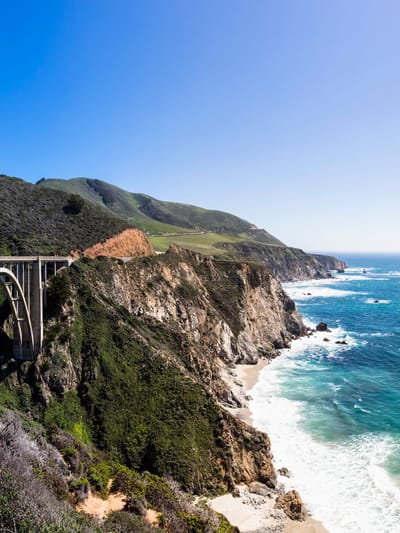
The proximity to Silicon Valley means excellent internet infrastructure, while the location between redwood forests and Pacific coastline provides world-class outdoor recreation. The city has a long history of embracing alternative lifestyles, making it naturally welcoming to RV digital nomads. Staying healthy while moving through wildly different climates — coastal California to mountain Montana — is something our RV healthy living guide covers in detail.
Coastal Advantages:
- Excellent cellular and fiber coverage
- Strong startup and tech community
- Year-round outdoor activities from surfing to hiking
- University of California Santa Cruz provides cultural resources
Chattanooga, Tennessee: The Original Gig City
Chattanooga earned its "Gig City" nickname by being one of the first cities in America to offer municipal gigabit internet. For RV digital nomads, this translates to consistently excellent connectivity options throughout the metro area.
The city has successfully transformed from an industrial past to a tech-forward future while maintaining Southern charm and affordable living costs. The Tennessee River provides water sports and recreation, while the surrounding mountains offer hiking and climbing opportunities. Pairing Chattanooga's excellent municipal internet with a solid backup power bank means you won't lose a client call to a dead laptop during a power blip at your campsite.
Tech Infrastructure:
- Municipal fiber network ensures reliable gigabit speeds
- Growing startup ecosystem with regular networking events
- Reasonable RV park rates ($450–750/month)
- Revitalized downtown with coworking spaces
Missoula, Montana: Mountain Culture with Inclusive Vibes
Missoula combines University of Montana energy with incredible outdoor recreation access and a genuinely inclusive community. At 75,000 people, it's large enough to support a diverse economy while maintaining a welcoming small-city feel.
The city sits in a valley surrounded by wilderness areas, offering year-round outdoor recreation from skiing to hiking to fishing. Missoula has embraced remote work culture, with several coworking spaces and a community that values work-life balance. If spending time here tempts you into more off-grid camping in the surrounding wilderness, our complete guide to boondocking without hookups covers everything you need before you pull off the grid.
Mountain Town Benefits:
- University ensures good internet infrastructure
- Strong arts and music scene
- Affordable cost of living
- Immediate access to wilderness areas
Duluth, Minnesota: Lakeside Remote Work Paradise
Duluth's location on Lake Superior provides a unique setting for remote work, combining Great Lakes maritime culture with incredible natural beauty. The city has invested in downtown revitalization and tech infrastructure, making it increasingly attractive to remote workers.
The lake effect creates a unique microclimate, and the surrounding forests and waterfalls provide year-round outdoor recreation opportunities. Duluth's cost of living remains very reasonable compared to coastal cities with similar natural amenities. Working outdoors with a laptop in a lakeside setting is genuinely beautiful but requires sun management — a laptop sun shade hood solves the glare problem that kills productivity on bright summer days.
Lakeside Advantages:
- Scenic beauty rivals coastal destinations
- Strong arts and cultural scene
- Affordable RV parking and long-term options
- Growing remote work community
Greenville, South Carolina: Southern Tech Hub
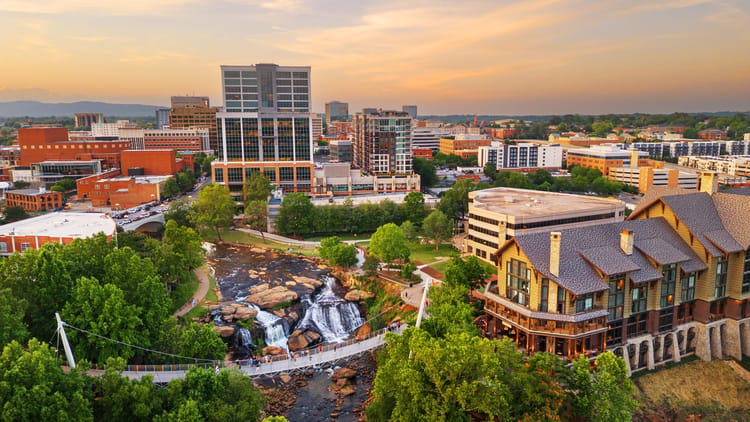
Greenville has quietly become one of the South's most attractive cities for remote workers, combining a walkable downtown with growing tech infrastructure and proximity to the Blue Ridge Mountains. The city's downtown revitalization has created a vibrant scene for remote workers.
The combination of Southern charm, reasonable costs, and mountain access makes Greenville appealing to RV digital nomads looking for a base in the Southeast. The city has embraced its role as a regional tech hub while maintaining its authentic character. If you're new to the RV side of this lifestyle, our honest look at the first-time RV living reality gives you the unfiltered version of what those first months actually look like.
Growing Tech Scene:
- Expanding coworking and startup ecosystem
- Walkable downtown with remote-work-friendly venues
- Easy access to mountain recreation
- Affordable long-term RV options
Making These Hidden Gem RV Spots Work Long-Term
These cities work because they offer something the major digital nomad destinations often lack: authentic community at reasonable costs. Whether you're drawn to Bend's mountain culture, Asheville's artistic energy, or Walla Walla's wine country charm, each offers a different flavor of the remote work lifestyle.
Obviously, some of these destinations might be seasonal choices if your rig isn't set up to handle snow or freezing temperatures. But isn't that the beauty of being a digital nomad? You can chase the perfect weather while still maintaining your career and community connections. Spend summers in Montana and Minnesota, winters in the Carolinas and California — or challenge yourself to experience a true four-season lifestyle in places like Fort Collins or Boise.
Success in these underrated cities requires some advance planning. Research RV parks early, especially for monthly stays, as the best options fill up during peak seasons. Consider backup internet options through Starlink or mobile hotspot services to ensure connectivity during critical work periods — and if you haven't already gone deep on connectivity options, our guide to the best RV internet for remote work is the most thorough breakdown we've put together. Noise-canceling headphones are another underrated essential for working from busy coworking spaces and cafes — a quality wireless pair creates a focus bubble wherever you are. And before heading out for any extended stay, run through our RV maintenance checklist so a preventable mechanical issue doesn't cut a productive month short.
The beauty of these remote work cities is that they're still discovering their identity as digital nomad destinations. You have the opportunity to be part of building something authentic rather than just consuming what's already been commercialized. These ten cities prove that the best places for RV digital nomads aren't always the most obvious ones — sometimes they're the ones that feel like home.
FAQs
What makes a city good for RV digital nomads?
The strongest cities for RV digital nomads combine three things: reliable high-speed internet (ideally fiber or municipal gigabit), affordable long-term RV parking options (monthly rates under $1,200), and a genuine outdoor recreation scene that makes the lifestyle worth living. Coworking spaces are a useful bonus, but consistent cellular coverage and backup connectivity options are non-negotiable for remote workers with client commitments.
What are the cheapest cities for RV digital nomads in the US?
Among the cities on this list, Walla Walla, Washington and Duluth, Minnesota offer the lowest overall cost of living, with RV park monthly rates well below the national average. Chattanooga, Tennessee is a standout for value — monthly RV park rates run $450–$750, municipal gigabit internet is widely available, and the cost of eating and living locally is well below coastal city equivalents.
How do I find monthly RV parking in a new city?
Start by searching RV parks directly through their own websites rather than aggregators — many parks reserve their best monthly rates for direct bookings. Call ahead at least four to six weeks before your planned arrival, especially for popular markets like Bend and Fort Collins where monthly spots fill up during summer. Facebook groups for specific cities (search "[city name] RV living" or "full-time RV [state]") often surface private land options and smaller parks that don't appear in major directories.
Is Starlink worth it for RV digital nomads in these cities?
Starlink is worth the investment if you regularly work from locations outside city centers — national forests near Missoula, BLM land around Walla Walla, or rural stretches between cities. Within the city limits of most of the destinations on this list, cellular hotspots and municipal Wi-Fi are often sufficient. The real value of Starlink is as a backup that eliminates connectivity anxiety entirely, which has a real impact on productivity and stress levels for remote workers with hard client deadlines.
Can you really work full-time from an RV in a mountain city like Bend or Missoula?
Yes, and many people do it year-round. The key variables are rig insulation (important for winter in both cities), a reliable connectivity setup, and proximity to the city's infrastructure rather than remote campsites during heavy work periods. Both Bend and Missoula have long-term RV parks with full hookups within 10–20 minutes of coworking spaces and fast-casual coffee shops. The lifestyle requires more planning than a fixed address, but the quality of life payoff — skiing in January, hiking in July, reasonable living costs — makes both cities genuinely viable full-time bases.
What type of RV works best for a digital nomad lifestyle?
Class B campervans and compact travel trailers are the most popular choices among digital nomads because they're easier to maneuver into urban parking, more fuel-efficient on long drives between cities, and simpler to maintain. Class C motorhomes are a middle-ground option for nomads who want more interior space without the complexity of towing. The right choice depends heavily on whether you're traveling solo or with a partner — our comparison of compact travel trailers and van life for digital nomads walks through the tradeoffs in detail.
How do RV digital nomads handle healthcare and mail while moving between cities?
Most full-time RV digital nomads establish a domicile state — South Dakota, Texas, and Florida are the most common choices due to no state income tax and straightforward residency requirements. Mail forwarding services handle physical correspondence, and telehealth platforms have made routine healthcare significantly more manageable on the road. For cities like Chattanooga and Greenville with strong and growing healthcare infrastructure, accessing in-person care is simpler than in truly remote locations.



Categories
Related Posts

Subscribe to the Swervia Newsletter
The best RV stories, tips, and destinations—expertly curated and always free.